





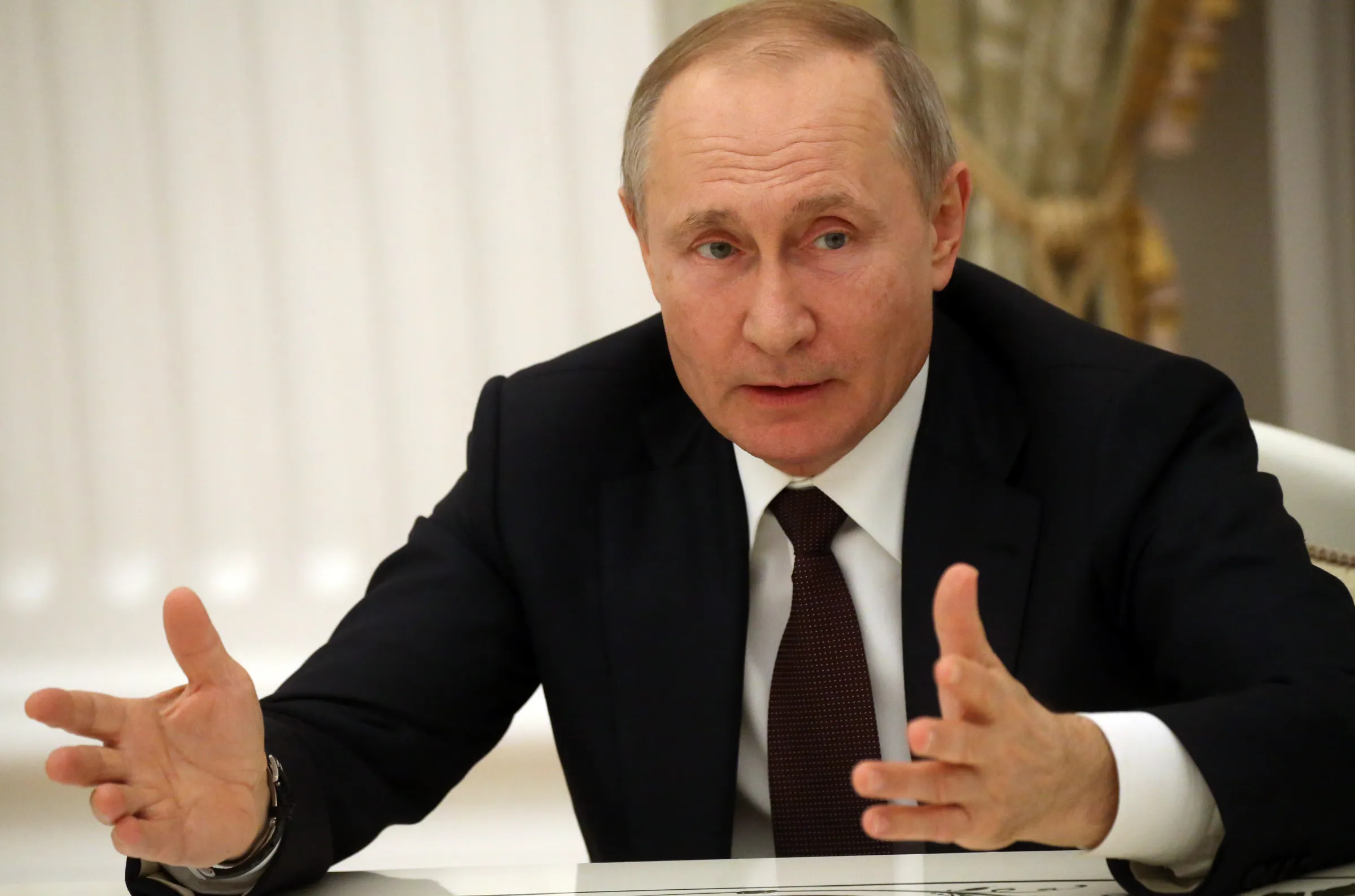
When Russia launched its full-scale war in Ukraine, many observers expected a backlash from the country’s ultra-wealthy elite. After all, the invasion triggered sweeping Western sanctions, asset freezes, yacht seizures and travel bans that directly targeted Russia’s billionaires. Yet more than three years on, Russia’s oligarchs remain strikingly silent, publicly loyal, and largely absent from any meaningful opposition to President Vladimir Putin. Their continued compliance reveals much about how power, wealth and fear operate in modern Russia.
For decades, Russia’s billionaires have existed under an unwritten contract with the Kremlin. They were allowed to accumulate extraordinary wealth, often derived from state-controlled resources such as oil, gas, metals and banking, in exchange for political obedience. The war has not rewritten this contract; it has reinforced it. Putin has made clear that economic power in Russia does not translate into political influence unless it serves the state’s interests.
One of the Kremlin’s most effective tools has been selective punishment. High-profile cases, both past and recent, have demonstrated the cost of dissent. Business figures who challenge the state risk losing their companies, facing criminal charges or being forced into exile. These examples have created a climate in which silence feels safer than resistance. Even billionaires who have lost assets abroad understand that opposing the Kremlin could cost them everything they still control at home.
At the same time, the Russian state has offered protection and opportunity to those who remain loyal. While sanctions have cut off access to Western markets, they have also reduced competition within Russia. Companies that once faced global rivals now operate in a more insulated economy, often benefiting from state contracts tied to defense, infrastructure and import substitution. For some tycoons, the war economy has proven unexpectedly profitable.
Putin has also carefully reshaped the elite itself. Older oligarchs with strong Western ties have been sidelined, while a newer class of businessmen—often with backgrounds in state corporations, security services or government—has risen in influence. These figures are less likely to challenge the Kremlin, having built their fortunes entirely within Putin’s system. Wealth in Russia today depends less on entrepreneurship and more on proximity to power.
Nationalism plays a role as well. Publicly criticizing the war is not just politically dangerous but socially taboo within elite circles. State-controlled media frames the conflict as an existential struggle against the West, and any dissent can be portrayed as betrayal. For billionaires who remain in Russia, maintaining a patriotic image is essential to preserving their status and security.
There is also a practical reality: Russia’s wealthy have limited leverage over the Kremlin. Unlike in some countries where business elites can influence policy through lobbying or media ownership, real decision-making power in Russia is concentrated within a narrow political and security elite. Billionaires may be rich, but they are not autonomous. Their fortunes exist at the pleasure of the state.
Some oligarchs have quietly distanced themselves from the war by stepping down from executive roles or relocating family members abroad. But these gestures stop short of open opposition. Public statements are carefully worded, if made at all, and focus on humanitarian concerns rather than political criticism. Silence, in this context, is a survival strategy.
Ultimately, Putin has kept Russia’s billionaires on side by ensuring they have no viable alternative. Sanctioned abroad, constrained at home and surrounded by examples of what happens to those who fall out of line, they remain rich but politically voiceless. The war has not weakened Putin’s grip on the elite; it has tightened it, proving once again that in Russia, wealth does not equal power—loyalty does.




+ There are no comments
Add yours