







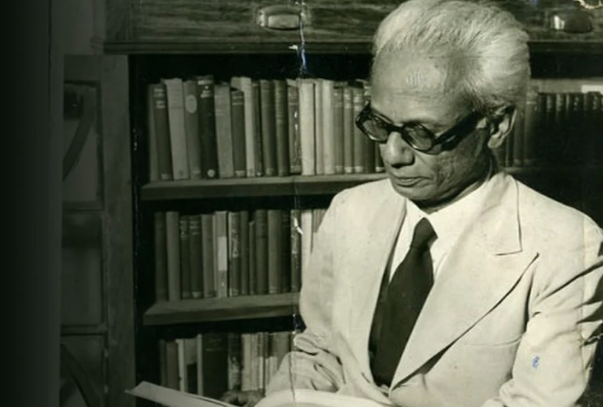
Martin Wickramasinghe, one of Sri Lanka’s most celebrated writers, left an indelible mark on the way the island nation and the wider South Asian region understand culture, identity, and social change. Through his novels, essays, and literary criticism, he chronicled the transformation of Sri Lankan society, capturing both the enduring beauty of rural life and the tensions of a rapidly modernizing world.
Wickramasinghe’s groundbreaking novel Gamperaliya (“The Transformation of a Village”) vividly depicted village life in transition, showing how colonial influence, urbanization, and changing social structures reshaped everyday experiences. His later works, including Kaliyugaya and Yuganthaya, continued this exploration, portraying the complex evolution from traditional to modern society. By focusing on the lives of ordinary people, he offered readers a window into Sri Lanka’s cultural and social fabric, making his work deeply relatable and historically insightful.
Beyond storytelling, Wickramasinghe played a crucial role in reclaiming and celebrating Sri Lanka’s indigenous heritage. Writing in Sinhala, he highlighted the richness of local literature, Buddhist philosophy, and folk traditions, reminding the nation of the value of its own cultural roots. At the same time, he critically examined the forces of modernization, encouraging reflection on ethics, morality, and the balance between tradition and progress.
Wickramasinghe’s influence extends beyond Sri Lanka. His works provide a lens for understanding the broader South Asian experience, particularly the struggles of post-colonial societies in negotiating identity, tradition, and modernity. Scholars and readers across the region recognize his ability to capture universal human experiences while remaining deeply rooted in Sri Lankan culture.
Even today, decades after his death, Martin Wickramasinghe’s legacy endures. His novels remain essential reading in schools and universities, his essays continue to inspire cultural debate, and adaptations of his work on screen bring his insights to new generations. In capturing the soul of Sri Lanka, he also offered South Asia a model of how literature can bridge history, culture, and modern life, making him one of the region’s most important literary figures.








+ There are no comments
Add yours