






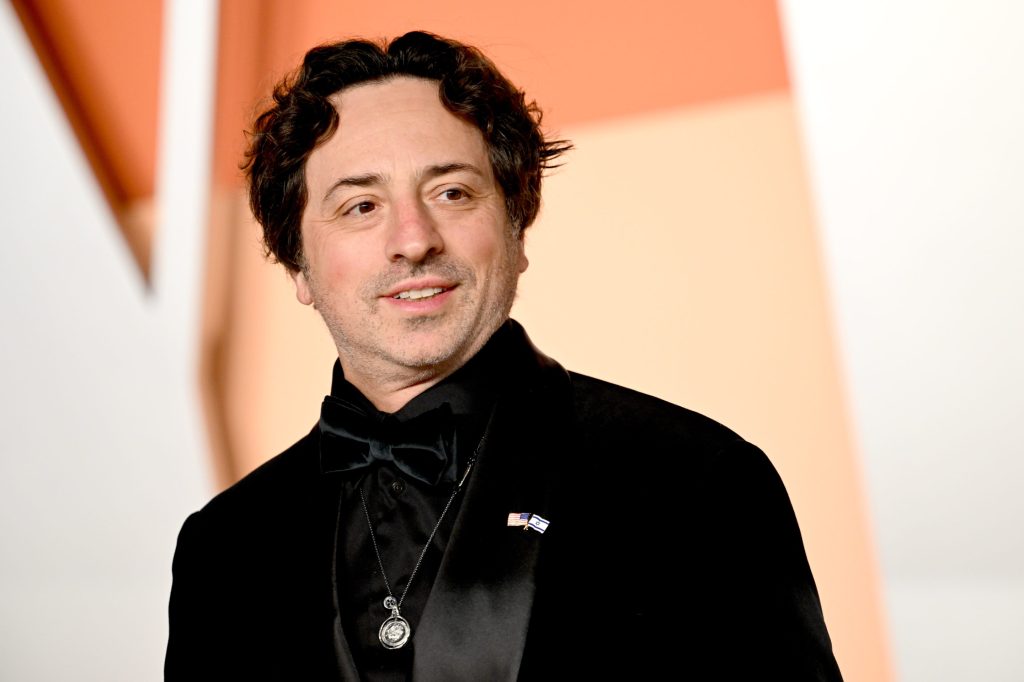
When Google cofounder Sergey Brin stepped away from day-to-day operations in 2019, it marked the end of an era in Silicon Valley. After decades at the helm of one of the world’s most influential technology companies, Brin appeared to have earned a well-deserved retirement. But behind the scenes, that pause came with an unexpected cost.
Brin has now revealed that during his time away, he found himself “spiraling”—and that returning to active work on Google’s Gemini AI project was not only necessary, but transformative. In hindsight, he believes remaining retired “would’ve been a big mistake.”
His return underscores a broader truth emerging across the tech world: in the age of artificial intelligence, even founders who once stepped back are being pulled into the next defining chapter of innovation.
A Retirement That Didn’t Feel Right
For Brin, retirement wasn’t about exhaustion or disinterest. It was about stepping aside to let a new generation lead. Yet, the absence of intense problem-solving and creative pressure left a void.
Rather than offering peace, time away from meaningful work led to restlessness—an emotional and intellectual drift many high-achieving founders experience but rarely admit publicly.
“I was spiraling,” Brin has said candidly, reflecting on his years away from Google’s core engineering work.
Without a demanding mission, the sense of purpose that had fueled his career began to fade.
The AI Moment That Pulled Him Back
That changed with the rapid acceleration of artificial intelligence, particularly the emergence of generative models that could rival—and potentially surpass—human cognition in narrow tasks.
As Google intensified its AI strategy to compete with OpenAI and Microsoft, Brin was drawn back into the fold, contributing directly to Gemini, Google’s flagship multimodal AI system.
Gemini represents more than another product launch. It is Google’s attempt to redefine its future—powering search, productivity tools, and enterprise solutions with next-generation intelligence.
For Brin, the stakes were too high to ignore.
Why Gemini Matters to Sergey Brin
Gemini isn’t just an engineering challenge; it’s a philosophical one. The system is designed to understand text, images, code, and complex reasoning—bringing Google closer to the long-standing goal of artificial general intelligence.
Brin’s deep involvement signals how seriously Google is taking this moment. According to those familiar with the project, he has been hands-on, reviewing models, offering technical feedback, and re-engaging with the problem-solving mindset that defined Google’s early years.
In his words, staying retired while such a pivotal transformation unfolded “would’ve been a big mistake.”
A Broader Lesson for Founders and Leaders
Brin’s experience reflects a growing pattern among tech leaders. Retirement, especially for individuals driven by curiosity and creation, can feel less like freedom and more like disconnection.
Across Silicon Valley:
Founders are returning to hands-on roles
Executives are reskilling in AI
Former leaders are re-entering the arena as builders, not just advisors
The AI revolution isn’t just changing industries—it’s pulling its architects back into the game.
The Psychological Cost of Stepping Away Too Soon
Brin’s honesty also sheds light on the emotional side of innovation. High-impact work often provides structure, identity, and meaning. Removing it abruptly can lead to uncertainty and loss of direction.
For Brin, returning to Google wasn’t about status or wealth—both were already secured. It was about reclaiming purpose at a moment when technology is reshaping society at unprecedented speed.
What This Means for Google’s Future
With Brin back in the mix, Google’s AI efforts gain both symbolic and practical strength. His presence reinforces confidence among engineers and investors that the company understands the gravity of the AI race.
Gemini is expected to be deeply embedded across Google’s ecosystem—from Search and Workspace to Android and cloud services—making Brin’s return a strategic signal that Google is betting its future on AI leadership.
Final Thoughts
Sergey Brin’s journey from retirement back to the front lines of AI development is a reminder that innovation doesn’t follow a neat timeline. For some creators, the urge to build never truly fades.
In an era defined by artificial intelligence, Brin’s return shows that the most meaningful work sometimes begins after stepping away—and realizing you were never meant to stop.















+ There are no comments
Add yours