






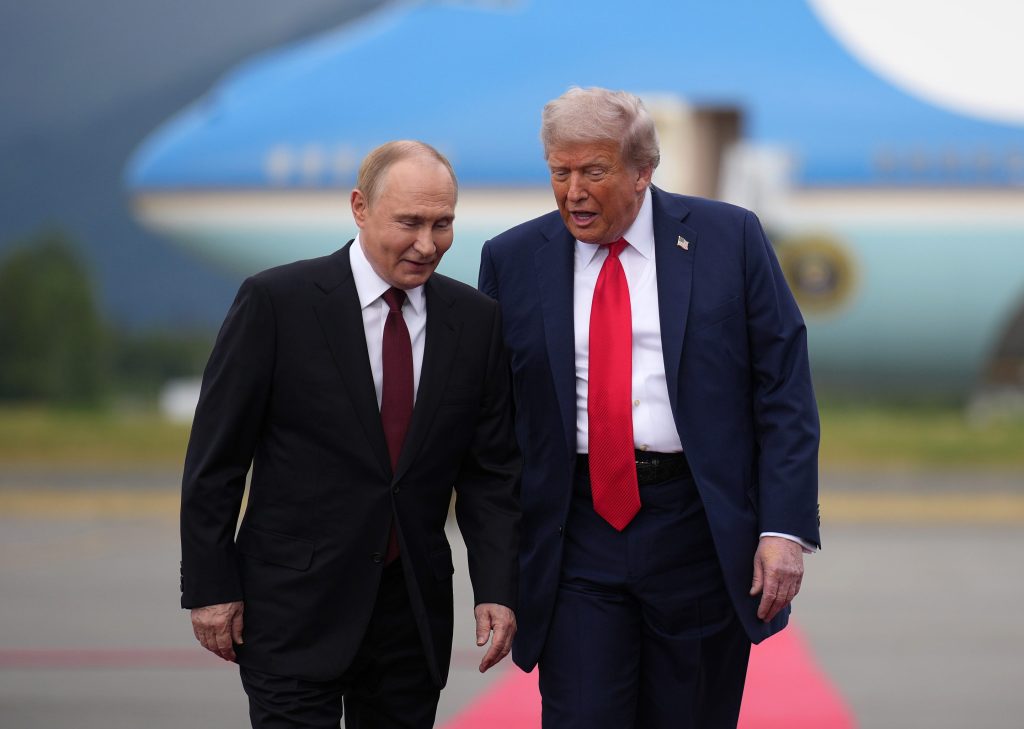
.
In a rare moment of bipartisan unity in Washington, both Republican and Democratic senators are speaking out forcefully against former President Donald Trump’s proposed Ukraine peace plan — a blueprint critics say would hand Moscow significant strategic victories while undermining U.S. and European security interests.
The plan, which Trump has promoted in interviews and rallies, centers on compelling Kyiv to accept territorial concessions and negotiate directly with Vladimir Putin to “stop the killing immediately.” But lawmakers across the aisle argue the proposal is not a peace plan at all — it is a concession plan that risks rewarding aggression and rewriting global norms.
🇺🇸 Bipartisan Pushback: A United Front Against Appeasement
Senators from both parties rarely agree on foreign policy in today’s polarized environment. But Trump’s outline for ending the war has struck a nerve.
Republicans’ concerns:
Even traditionally pro-Trump Republicans warn that forcing Ukraine into a settlement dictated by Russia would:
Legitimize Putin’s territorial expansion
Encourage future invasions
Undermine decades of U.S. deterrence strategy
Signal weakness to China and other authoritarian regimes
Many GOP senators emphasize that any peace must be negotiated from a position of strength, not through pressure on an invaded nation to surrender sovereign land.
Democrats’ criticism:
Democratic lawmakers, meanwhile, frame Trump’s proposal as moral and strategic capitulation. They argue:
Ukraine has the right to defend its borders
Territorial giveaways violate international law
U.S. credibility would collapse among its allies
Putin would emerge stronger with no guarantees of lasting peace
They warn that agreeing to such demands would set a dangerous global precedent: powerful nations can redraw borders at will.
🇺🇦 What Trump’s Plan Actually Suggests
While Trump has avoided releasing a detailed policy document, his public comments outline a framework that includes:
Forcing Ukraine to negotiate immediately, regardless of battlefield dynamics
Accepting that Russia will retain control over large swaths of occupied territory
Freezing the conflict in its current state, with limited security guarantees
Pulling back some U.S. military aid, shifting the pressure onto Kyiv
Such concessions align closely with long-standing Kremlin demands — especially regarding territorial recognition.
Critics say this would effectively validate Russia’s annexations and dismantle Ukraine’s hopes of a sovereign and secure future.
⚠️ Why Lawmakers Say the Plan Is Dangerous
1. It rewards aggression
Senators argue that forcing Ukraine to cede territory after an illegal invasion erodes the basic principle that borders cannot be changed by force.
2. It damages U.S. alliances
European partners fear that an American retreat would leave them alone to counter Russia and defend NATO’s eastern flank.
3. It emboldens adversaries
China, Iran, and North Korea watch the Ukraine conflict closely.
If Russia benefits from invasion, analysts warn China may feel freer to pressure Taiwan.
4. It undermines global democracy movements
Ukraine’s fight is widely viewed as a frontline battle for democratic self-determination.
Senators caution that abandoning Kyiv would send a chilling message worldwide.
5. It doesn’t guarantee real peace
Experts say a “forced peace” that ignores Ukraine’s security needs simply delays future conflict.
Russia could rearm, regroup, and strike again.
🗳️ Politics Aside: A Rare Moment of Consensus
The opposition to Trump’s plan reflects deeper strategic thinking in Washington.
Despite political differences, lawmakers share concern about:
Putin’s long-term ambitions
The stability of Europe
America’s global leadership role
Preventing future wars
Even senators who support winding down U.S. spending on Ukraine emphasize that a fair, durable peace cannot come at the cost of Ukrainian sovereignty.
🌍 What’s Next for U.S. Policy?
Washington’s current stance remains consistent:
Continue providing military and financial support to Kyiv
Strengthen NATO
Back Ukraine’s right to defend its internationally recognized borders
Encourage diplomatically negotiated peace — but not one dictated by force
Senators insist that any future U.S. administration must maintain these core principles to preserve global security.
🔎 The Broader Lesson: Peace Cannot Be Built on Concessions Alone
Trump’s proposed peace outline highlights a long-running debate about how wars should end.
But experts warn that peace built on surrender is rarely lasting — and usually favors the aggressor.
As senators from both parties push back, the message from Capitol Hill is clear:
Supporting Ukraine is not charity — it is a strategic investment in global stability and American security.
SEO Keywords You Can Use
Trump Ukraine peace plan
bipartisan senators oppose Trump plan
U.S. Russia Ukraine conflict
Ukraine territorial concessions debate
Senate reaction to Trump foreign policy
U.S. bipartisan support for Ukraine
Russian demands in peace negotiations
Ukraine war 2025 analysis
U.S. national security concerns
appeasement foreign policy debate












+ There are no comments
Add yours