






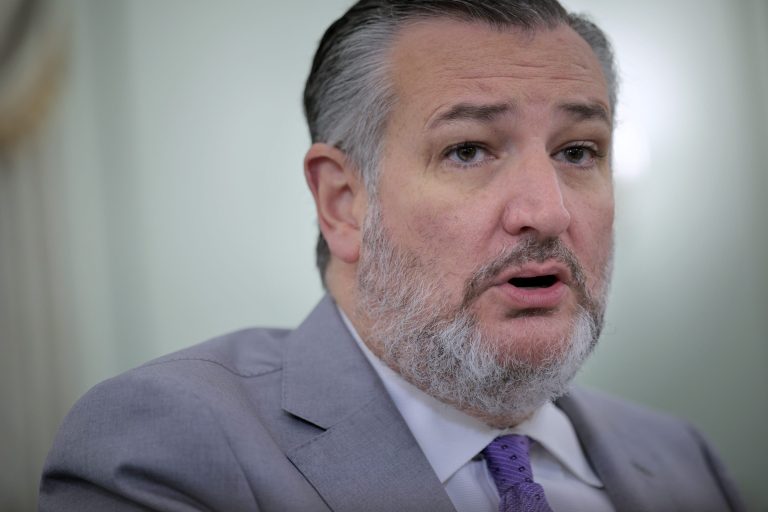
Senator Ted Cruz has launched a fiery criticism of the Federal Communications Commission (FCC) chair, accusing the agency of using what he described as “mafioso tactics” to pressure ABC into sidelining late-night host Jimmy Kimmel. The comments, which have quickly ignited debate, come after reports that the FCC played a behind-the-scenes role in urging the network to bench Kimmel following a series of controversial on-air remarks.
Cruz’s Sharp Rebuke of the FCC
Cruz, a Republican from Texas and a longtime critic of both mainstream media and government overreach, wasted no time in condemning what he views as political intimidation. Speaking to reporters, Cruz claimed the FCC chair had crossed a line by allegedly threatening ABC with regulatory consequences if it did not act against Kimmel.
“This is not regulation; this is extortion,” Cruz said. “What the FCC did here is straight out of a mafioso playbook—using the power of government to silence voices you don’t like. It’s dangerous, it’s unconstitutional, and it sets a chilling precedent for free speech.”
Background on the Kimmel Controversy
Jimmy Kimmel, one of America’s most prominent late-night hosts, has never shied away from political commentary. His pointed jokes and criticisms of conservative figures have frequently drawn backlash from Republican leaders. The most recent controversy began when Kimmel delivered a string of monologues that critics said went beyond satire and veered into political attacks.
Shortly afterward, reports surfaced suggesting that ABC executives were pressured by the FCC to take action. While the network has not confirmed the full extent of the agency’s involvement, the decision to bench Kimmel temporarily fueled speculation of government interference.
FCC Chair Under Fire
The FCC chair has defended the agency’s role, arguing that its responsibility includes monitoring content standards and addressing concerns from the public. However, Cruz and other critics say the move went far beyond the FCC’s mandate and represented an abuse of authority.
“Americans should be alarmed,” Cruz said. “If the FCC can threaten networks into silencing Jimmy Kimmel today, what’s to stop them from going after conservative commentators tomorrow? Free speech means free speech for everyone, even those you disagree with.”
Political Reactions Pour In
Cruz’s remarks have triggered strong reactions across the political spectrum. Supporters of Cruz argue that he is standing up against government censorship and defending the First Amendment, even when it involves a liberal comedian like Kimmel. Detractors, however, accuse Cruz of opportunism, pointing out his history of clashing with media figures and questioning whether his outrage is consistent.
Progressive commentators argue that Cruz is exaggerating the issue, framing routine regulatory discussions as political bullying. Meanwhile, conservative media outlets have echoed Cruz’s concerns, warning that the FCC’s actions could represent a dangerous new chapter in government-media relations.
The Broader Debate on Free Speech
The controversy highlights a growing debate in America about the balance between regulation, free speech, and political influence. Late-night television has become a cultural battlefield, with hosts like Kimmel, Stephen Colbert, and others using their platforms to shape public opinion. At the same time, regulators are increasingly under scrutiny for how they handle complaints and enforce broadcasting rules.
For Cruz, the stakes are clear: “This is about whether we allow unelected bureaucrats to decide who gets to speak in America. Today it’s Jimmy Kimmel. Tomorrow it could be anyone who dares to challenge the government.”
What Comes Next
The FCC has not announced any formal penalties against ABC or Kimmel, but calls for congressional oversight are growing louder. Cruz and several of his Republican colleagues are pushing for hearings to investigate whether the FCC chair abused their authority.
Meanwhile, ABC faces a difficult balancing act—responding to regulatory pressure while also defending its creative talent and reputation for independence. Kimmel himself has not yet made a detailed public statement about the controversy, though sources close to the show suggest he intends to return to the airwaves soon.
Senator Ted Cruz’s accusation that the FCC chair employed “mafioso tactics” to silence Jimmy Kimmel underscores the intensifying battle over media, politics, and free speech in the United States. Whether this dispute results in congressional action or fades as another partisan clash, it raises serious questions about the boundaries of government authority in shaping the media landscape. For now, the clash between Cruz, the FCC, and Kimmel has put the spotlight once again on the fragile balance between regulation and the First Amendment.









+ There are no comments
Add yours