








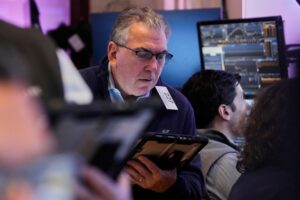
Wall Street has always been a place where fortunes are made on forecasts and financial bets. Today, its future direction is being shaped by one of the riskiest wagers in years: what the American economy will do next. Investors, traders, and financial institutions are all making high-stakes decisions based on diverging views of inflation, interest rates, and overall economic growth.
A Market Balancing on Economic Uncertainty
The U.S. economy is at a crossroads. Inflation has eased from its peak but remains a lingering concern. Growth data paints a mixed picture, with consumer spending holding steady but business investment showing signs of cooling. Wall Street analysts are split on whether the country is heading toward a soft landing, a mild recession, or an unexpected rebound. This uncertainty has created a volatile environment where every data release can shift market sentiment dramatically.
The Risky Bet on Interest Rates
At the heart of Wall Street’s gamble lies the Federal Reserve’s next move. Many investors believe that rate cuts will continue as inflation moderates, fueling a rally in equities and credit markets. Others warn that the Fed may need to hold rates higher for longer if inflation proves stubborn. The difference between these scenarios could mean billions in gains—or devastating losses—for hedge funds, asset managers, and individual investors alike.
Stocks Riding on Optimism
Equity markets have climbed steadily this year, largely on the belief that the economy can withstand tighter financial conditions. Tech giants, consumer discretionary companies, and growth-oriented firms have been the biggest beneficiaries of this optimism. But if the economy stumbles, these gains could evaporate quickly. Wall Street’s reliance on a “no recession” narrative makes the rally especially vulnerable to unexpected shocks.
Bond Market Sends a Different Signal
While stock investors lean toward optimism, the bond market is flashing caution. Yields have moved erratically as traders debate the timeline for monetary easing. Inversions in the yield curve continue to signal concerns about slower growth ahead. For Wall Street, aligning these conflicting signals between equities and fixed income remains a daunting challenge.
The Role of Quant and Hedge Funds
Quantitative trading firms and hedge funds are playing a critical role in shaping today’s market dynamics. By leveraging data-driven models, these firms are betting on everything from rate paths to consumer behavior trends. Yet even the most sophisticated algorithms depend on assumptions about economic resilience. If the American economy veers off course, these high-stakes bets could unravel.
Why the Economy’s Path Matters for Wall Street’s Future
Wall Street thrives on clarity and confidence, but the current climate offers neither. If the economy achieves a soft landing, the financial sector could enjoy a prolonged bull run. If growth slows sharply, markets could face corrections that test the resilience of banks, funds, and retail investors. The stakes are enormous: trillions of dollars in assets hinge on predicting the right outcome.
Looking Ahead
The coming months will be decisive. Key data on inflation, employment, and GDP will shape the Fed’s actions and Wall Street’s trajectory. Investors will need to balance short-term market opportunities with long-term risks tied to economic uncertainty. The risky bet on the American economy is more than just a financial wager—it will define the future of U.S. markets for years to come.
The Bottom Line
Wall Street’s fate is intertwined with the path of the American economy. Optimists see resilience and renewed growth, while skeptics warn of hidden risks that could trigger downturns. As traders, investors, and institutions place their bets, one thing is certain: the stakes have rarely been higher.











+ There are no comments
Add yours