







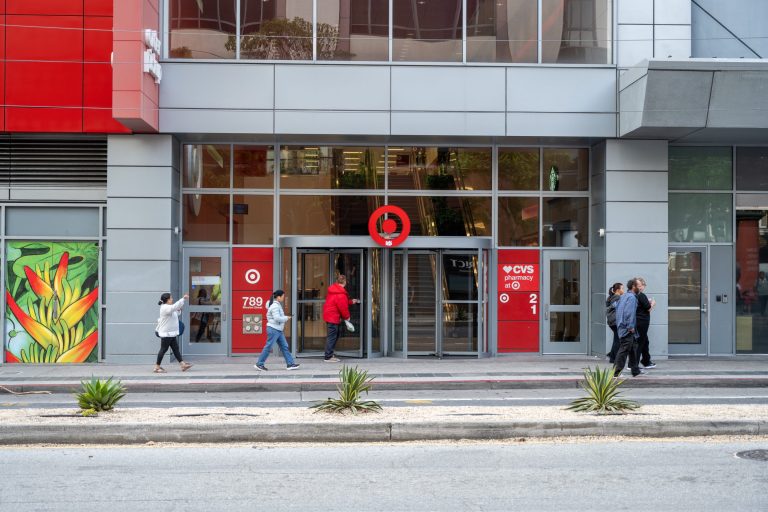
Target entered the back-to-school season with optimism, expecting a seasonal sales bump to bring shoppers back into its stores. Instead, the retailer is facing a troubling reality: foot traffic remains down for the seventh consecutive month, raising concerns about consumer behavior and the company’s ability to regain momentum in a competitive retail landscape.
A Missed Seasonal Opportunity
Back-to-school shopping is traditionally one of the strongest periods for retailers. Parents stock up on clothing, school supplies, and electronics, often providing a late-summer sales lift before the holiday season. Target had anticipated that this year’s shopping surge would help offset months of sluggish store traffic.
But the expected rush never materialized. Industry trackers show that customer visits to Target locations continued to lag, suggesting that shoppers are either holding back on discretionary spending or shifting more of their purchases online and to discount competitors.
Shoppers Pull Back Amid Inflation Pressures
One factor weighing on Target’s performance is persistent consumer caution. Even as inflation has eased somewhat, households remain careful with budgets. Rising costs for housing, food, and fuel leave less disposable income for nonessential purchases. Many families, instead of splurging on name brands or higher-quality products, are trading down to value-oriented options.
This trend has given discount retailers, dollar stores, and even grocery chains an edge in capturing budget-conscious shoppers. While Target has long positioned itself as a retailer that blends affordability with style, it is increasingly squeezed between big-box competitors like Walmart and niche specialty retailers that are more aggressive in pricing.
The E-Commerce Shift
Another headwind for Target is the ongoing shift toward e-commerce. Parents buying back-to-school essentials are turning to online marketplaces for convenience and bulk deals. While Target has invested heavily in digital sales and same-day pickup services, its physical stores remain the backbone of its operations. Prolonged declines in foot traffic make it harder to maintain sales growth and justify large store footprints.
Industry analysts note that a seventh consecutive month of lower in-person visits is not simply a seasonal dip but a broader sign of changing shopping patterns. If the trend persists, Target may need to accelerate its digital-first strategy and reconfigure stores to meet evolving consumer needs.
Competitive Pressures Mount
Target’s struggles are also amplified by competition. Walmart has reported stronger traffic as it continues to win over budget-conscious shoppers with aggressive pricing. Meanwhile, Amazon remains the dominant online destination for back-to-school shopping, offering speed and convenience that few traditional retailers can match.
Target’s differentiated strategy—curated fashion collaborations, trendy home goods, and private-label brands—once gave it an edge. But when consumers are focused primarily on price, those differentiators lose some of their power.
What It Means for the Holidays
The lack of a back-to-school sales bump raises questions about Target’s outlook heading into the critical holiday season. Retailers typically rely on holiday shopping to generate a significant portion of annual revenue, and continued weak traffic could put additional pressure on margins and earnings.
Target has already taken steps to streamline inventory, reduce excess stock, and improve supply chain efficiency. Still, analysts warn that if customer visits continue to trend downward, the company will face difficult decisions about pricing, promotions, and long-term store strategy.
The Bigger Picture
Target’s seventh month of declining traffic is more than a short-term setback—it reflects deeper shifts in consumer behavior and retail competition. Shoppers are increasingly selective about where and how they spend, favoring value, convenience, and digital options over traditional in-store browsing.
For Target, the challenge will be to balance its brand promise of affordable style with the realities of a tougher retail environment. Unless the company finds a way to reignite store visits or accelerate growth in digital channels, the struggles of back-to-school season could foreshadow more difficult months ahead.














+ There are no comments
Add yours