






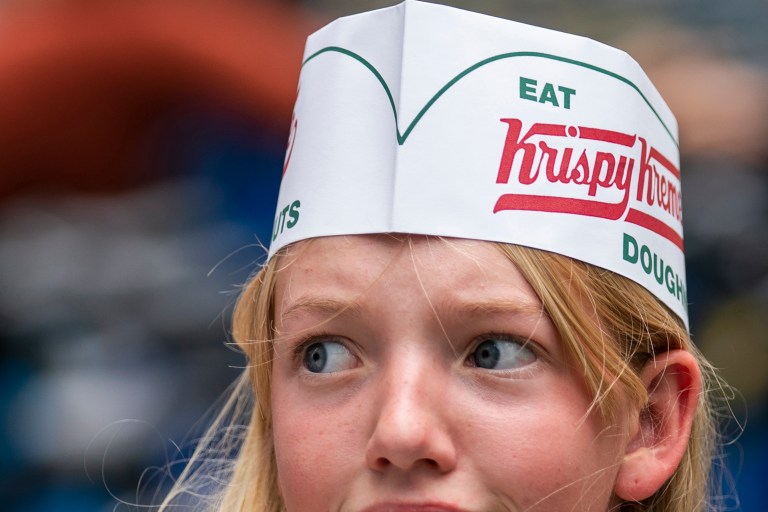
A Sweet Partnership Turns Sour
In a surprising move, Krispy Kreme has announced the termination of its partnership with McDonald’s, ending a collaboration that once promised to bring the brand’s iconic doughnuts to millions of fast-food customers across the country. The decision was reportedly driven by “unsustainable operating costs” amounting to $28.9 million, which Krispy Kreme says made the arrangement financially unviable in the long run.
The partnership began with high expectations. McDonald’s aimed to diversify its menu with premium sweet treats, while Krispy Kreme sought to expand its reach beyond its own stores and grocery shelves. However, behind the scenes, the operational demands of supplying thousands of McDonald’s locations quickly added up.
The Cost of Doing Business
According to Krispy Kreme’s statement, the expenses involved in producing, packaging, and delivering fresh doughnuts daily to McDonald’s outlets were far higher than anticipated. Maintaining product freshness across a wide distribution network required complex logistics, additional staff hours, and strict quality control measures—all of which drove up costs.
At $28.9 million in added operational expenses, Krispy Kreme concluded that the financial strain outweighed the potential benefits of the partnership. Company executives emphasized that while the collaboration helped introduce Krispy Kreme to new customers, the cost structure was simply not sustainable for long-term profitability.
Why the Partnership Struggled
Several factors contributed to the breakdown:
Scale of Distribution – McDonald’s has thousands of locations, and meeting daily demand required a massive production and delivery effort.
Quality Expectations – Krispy Kreme’s brand reputation relies on freshness, meaning doughnuts had to be delivered the same day they were made.
Rising Costs – Higher fuel prices, labor costs, and packaging expenses added pressure.
Operational Complexity – Integrating a specialty bakery product into a fast-food menu required coordination that wasn’t easy to maintain at scale.
The Broader Impact
For McDonald’s, the end of this partnership means losing a premium dessert item that differentiated it from competitors. However, industry analysts say the fast-food giant may pivot toward developing its own baked goods or partnering with other dessert brands in the future.
For Krispy Kreme, the move could allow the company to refocus on its core operations—its own stores, drive-thrus, and grocery retail partnerships. It also frees up resources to invest in markets and channels where margins are higher and logistics are simpler.
What’s Next for Krispy Kreme?
Krispy Kreme has indicated that it will concentrate on growing its presence in select retail chains and strengthening its digital ordering capabilities. The company also plans to explore smaller-scale partnerships that don’t carry the same high logistical costs.
While the McDonald’s collaboration brought visibility, Krispy Kreme’s long-term growth strategy may depend more on targeted expansion rather than mass distribution through large fast-food chains.
Conclusion
The end of the Krispy Kreme–McDonald’s partnership marks a reminder of the challenges that come with scaling a premium food product across a massive fast-food network. Despite the initial excitement, the financial realities—namely $28.9 million in unsustainable operating costs—proved too steep to justify continuing.
Krispy Kreme now faces the task of redirecting its energy toward more profitable ventures, while McDonald’s must consider new ways to satisfy customers’ sweet cravings. For fans, it’s the end of a short but memorable chapter in the dessert world.













+ There are no comments
Add yours