







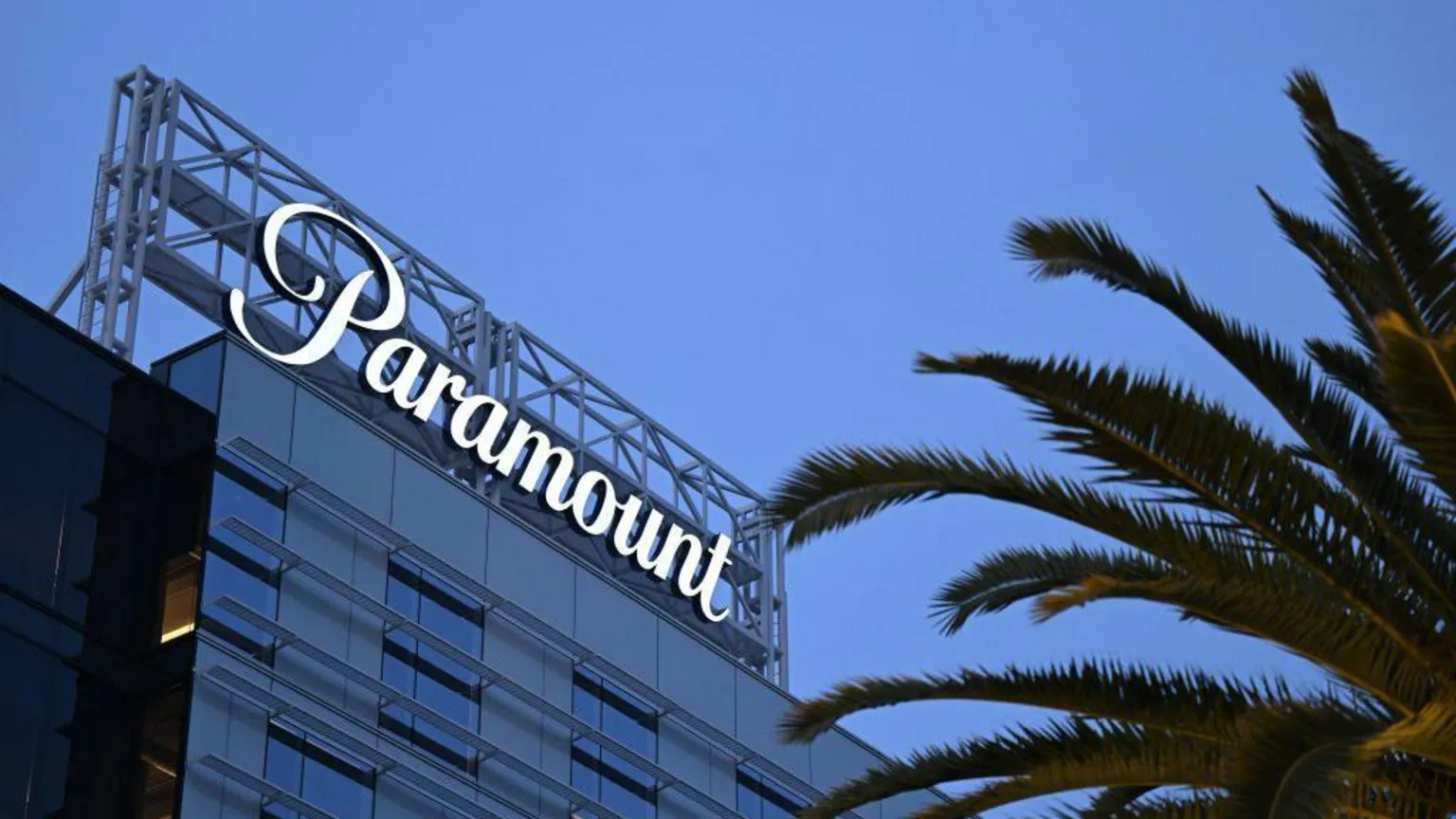
US FCC Approves $8 Billion Skydance-Paramount Merger: A New Era in Media Consolidation
Washington, D.C. – July 2025 — In a significant shake-up of the entertainment industry, the Federal Communications Commission (FCC) has officially approved the $8 billion merger between Skydance Media and Paramount Global, clearing the final regulatory hurdle in one of the most closely watched media deals of the decade. This landmark decision is poised to reshape Hollywood and the broader digital content ecosystem as traditional media giants and tech-savvy studios converge to stay relevant in a fiercely competitive streaming era.
A Game-Changing Deal for Hollywood
The merger between Skydance Media, helmed by tech heir David Ellison, and legacy entertainment titan Paramount Global, marks a watershed moment in the industry. The deal, first announced in early 2025, will see Skydance take operational control of the combined entity, effectively ending the Redstone family’s decades-long influence over Paramount through their holding company, National Amusements Inc.
The new entity, which will reportedly retain the Paramount brand, aims to integrate Skydance’s tech-forward production pipeline with Paramount’s vast library of content, legacy film studios, cable networks like CBS, MTV, and Comedy Central, and streaming platforms such as Paramount+ and Pluto TV.
FCC’s Approval: A Major Regulatory Win
The FCC’s green light was one of the final hurdles the merger faced, following scrutiny from other antitrust regulators and industry watchdogs concerned about the growing consolidation of media power. The agency concluded that the merger “does not raise substantial competitive concerns” and would not diminish consumer choice or violate public interest mandates.
In its statement, the FCC emphasized that the merger is likely to “enhance investment in U.S. media infrastructure, drive innovation in content delivery, and provide more diverse viewing options to consumers.”
Streaming, Scale, and Survival
In the post-pandemic entertainment landscape, streaming dominance and international reach have become critical to survival. With Netflix, Disney+, and Amazon Prime Video aggressively expanding, traditional studios like Paramount have struggled to maintain subscriber growth and profitability.
Skydance, with its nimble operations and strategic tech partnerships, is expected to breathe new life into Paramount’s offerings. David Ellison’s leadership has long been marked by a strong emphasis on AI-driven content creation, data-backed production decisions, and global distribution strategies, aligning well with the evolving preferences of Gen Z and millennial audiences.
Strategic Benefits of the Skydance-Paramount Merger
Combined Content Library: The merger brings together Skydance’s modern hits like the Mission: Impossible, Top Gun, and Jack Reacher franchises with Paramount’s iconic classics, including Star Trek, Indiana Jones, and SpongeBob SquarePants.
Streaming Synergy: With Skydance’s influence, Paramount+ is expected to receive a much-needed overhaul—featuring smarter algorithms, improved user interfaces, and a deeper integration of live sports, news, and original programming.
Cost Efficiency & Growth: The combined entity is projected to save over $500 million annually through cost-cutting, operational streamlining, and content optimization.
Global Expansion: Skydance’s experience in international co-productions and digital-first releases will help Paramount broaden its global footprint, particularly in Asia and Europe.
Leadership and Organizational Restructure
As part of the merger, David Ellison will serve as Chairman and CEO of the new entity, while former Paramount CEO Brian Robbins is expected to step down or transition into a new advisory role. Key Skydance executives are expected to assume critical positions, bringing with them a younger, more agile leadership culture focused on innovation.
The Redstone family, led by Shari Redstone, will reportedly cash out their controlling interest in National Amusements, marking the end of an era for one of Hollywood’s most storied dynasties.
Investor Sentiment and Stock Market Impact
Following the FCC’s announcement, Paramount Global’s shares surged by nearly 12%, reflecting investor optimism about the company’s future under Skydance’s leadership. Analysts say the merger could act as a catalyst for further consolidation in the industry, with other media players now under pressure to explore strategic alliances or risk obsolescence.
“This isn’t just about a merger—it’s about media survival in a tech-driven world,” said media analyst Laura Winters. “The Skydance-Paramount deal creates a hybrid studio that’s rooted in legacy, but future-focused in execution.”
What This Means for Consumers
For the average viewer, the merger promises:
More premium content on Paramount+, possibly bundled with other services.
Faster content release cycles due to Skydance’s tech-enabled production methods.
Improved personalization and user experience across digital platforms.
Potential crossovers and cinematic universes blending Skydance and Paramount IPs.
However, some critics warn of potential content homogenization, fewer independent productions, and higher subscription prices in the long run.
Looking Ahead: What Comes Next?
With FCC approval in hand, the deal is set to close officially in the third quarter of 2025, pending final shareholder votes and operational integrations. Insiders say the new entity could unveil a major rebranding campaign by early 2026, accompanied by an ambitious new slate of films, series, and tech innovations.
Other media giants, including Warner Bros. Discovery, Sony Pictures, and Lionsgate, are reportedly watching closely, potentially gearing up for mergers or content-sharing alliances of their own.
Conclusion
The FCC’s approval of the $8 billion Skydance-Paramount merger is more than just a corporate win—it’s a pivotal moment in the evolution of media, technology, and storytelling. As legacy studios continue to adapt to a digital-first world, this merger could set the tone for the next phase of entertainment: one where data, AI, global audiences, and innovative content pipelines lead the way.
Whether it will succeed in rewriting the rules of Hollywood or become another chapter in media consolidation gone awry, only time will tell. But one thing is clear—the streaming wars just got a whole lot more interesting.














+ There are no comments
Add yours