







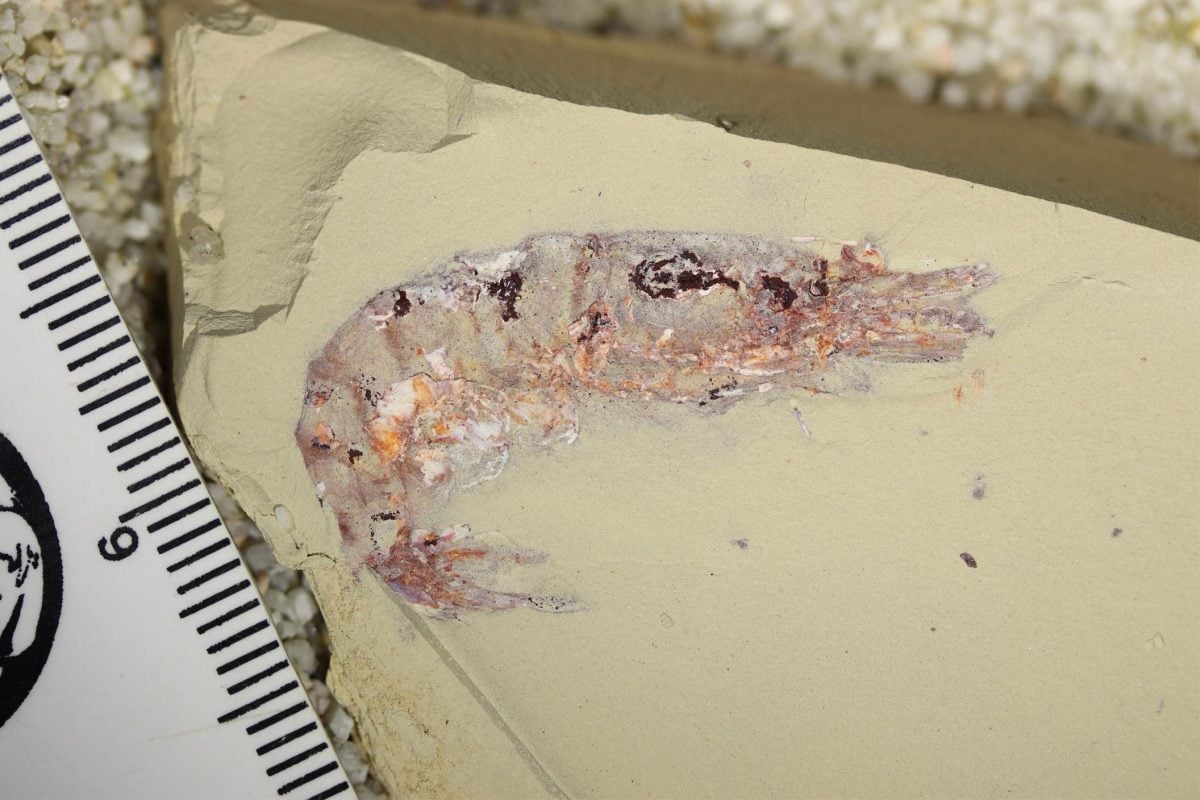
Unearthing the Secrets of the Fossil Record and What It Tells Us About Prehistoric Life
Fossils are the time capsules of Earth’s distant past, offering a rare glimpse into creatures that roamed the planet millions of years ago. From towering dinosaurs to trilobites etched into ancient seabeds, fossils captivate scientists and the public alike. Yet, the fossil record is far from complete. In fact, the vast majority of organisms that once lived on Earth left no trace behind.
So, why do some ancient creatures leave fossils while others seem to disappear without a whisper? The answer lies in a mix of biological, geological, and environmental factors—and a whole lot of chance.
What Is a Fossil and How Does It Form?
To understand why fossils are rare, it’s important to first know what they are. A fossil is any preserved evidence of past life, typically found in sedimentary rock. Most commonly, fossils are bones, shells, or teeth, but they can also be impressions of soft tissues, footprints, or even feces (called coprolites).
The process of fossilization usually involves the following steps:
Rapid burial by sediment, ash, or mud.
Mineralization, where minerals replace organic materials.
Preservation under pressure and time as sediment layers build up.
Exposure through erosion or excavation.
Each of these steps must occur under the right conditions—otherwise, the remains decay and are lost forever.
Factors That Influence Fossilization
1. Hard vs. Soft Body Structures
Hard parts like bones, shells, and teeth fossilize far more easily than soft tissues. Creatures with no hard parts—like jellyfish or worms—rarely leave behind fossils. This explains why the fossil record is biased toward animals with robust exoskeletons or skeletons.
2. Environment at Time of Death
Organisms that lived in or near water are more likely to be fossilized. Sediments in rivers, lakes, and oceans quickly cover remains, creating the low-oxygen conditions ideal for fossilization. In contrast, animals that lived in mountains, forests, or deserts were less likely to be buried quickly and are therefore underrepresented.
3. Population Size and Distribution
Widespread and populous species are more likely to be fossilized simply due to numbers. A rare, isolated species has fewer chances of leaving behind remains that survive the fossilization process.
4. Age and Exposure of Rocks
Even if a creature was fossilized, that fossil must survive millions of years of tectonic shifts, erosion, and other geological changes. Some fossils remain trapped deep within the Earth or have eroded away before discovery. Only a small fraction end up exposed and preserved in accessible strata.
5. Time and Chance
Sometimes, it comes down to pure luck. The right conditions must align perfectly for fossilization. The unpredictable nature of natural events—floods, volcanic ash falls, landslides—plays a major role in whether remains are buried and preserved.
Missing Fossils: The Case of the “Lazarus Taxa”
There are entire groups of creatures known from only a few fossils—or none at all—until they’re suddenly “rediscovered.” These are called Lazarus taxa, named after the biblical figure Lazarus who rose from the dead.
For example:
Coelacanths, ancient lobe-finned fish thought extinct for 65 million years, were found alive in 1938.
Tuataras, reptilian relatives from the age of the dinosaurs, were believed extinct but still exist in New Zealand.
These living fossils show how the fossil record is incomplete and how some species can vanish from it, only to reappear later through discovery or survival.
Bias in the Fossil Record: Why It’s Not a Complete History
Paleontologists recognize that the fossil record is inherently biased. It disproportionately represents:
Marine life over terrestrial life.
Hard-bodied over soft-bodied creatures.
Recent time periods over ancient eras (due to erosion and subduction).
Thus, entire ecosystems and evolutionary lineages may remain invisible to us—not because they didn’t exist, but because conditions never favored their preservation.
Technological Advances and New Discoveries
Modern tools such as CT scanning, geochemical analysis, and advanced imaging have helped scientists detect fossils in places and forms once overlooked—like soft tissue imprints in fine-grain shale, or trace fossils of burrows and microbial mats.
Even more groundbreaking is the study of molecular fossils—chemical traces like DNA fragments or proteins preserved under rare conditions. These molecular insights could one day help bridge the gaps in our understanding of vanished life forms.
What Fossils Tell Us—And What They Don’t
Fossils are powerful storytellers. They offer insights into:
Evolutionary biology.
Extinction events.
Climate and environmental changes.
Ancient ecosystems.
But they’re also just fragments. The absence of evidence is not always evidence of absence. Many species lived and thrived without ever leaving a mark we can find.
Conclusion: The Odds Are Against Fossilization—Yet They Still Speak
Why do some ancient creatures leave fossils while others disappear? Because fossilization is rare, biased, and dependent on a perfect storm of circumstances. Most organisms, especially soft-bodied or land-dwelling ones, vanish without a trace.
And yet, the fossils we do find continue to captivate us, connecting us to a world long gone. They remind us that even the briefest flicker of life can leave an imprint strong enough to last millions of years—if the conditions are just right.













+ There are no comments
Add yours