





Zelenskyy brings seven regional nations together as Kyiv seeks deeper security, energy and economic ties while diplomatic efforts to end the war remain stalled
Ukraine is moving to deepen its ties with its European neighbours as the war with Russia continues, bringing questions of regional security, energy independence and the search for peace into sharper focus.
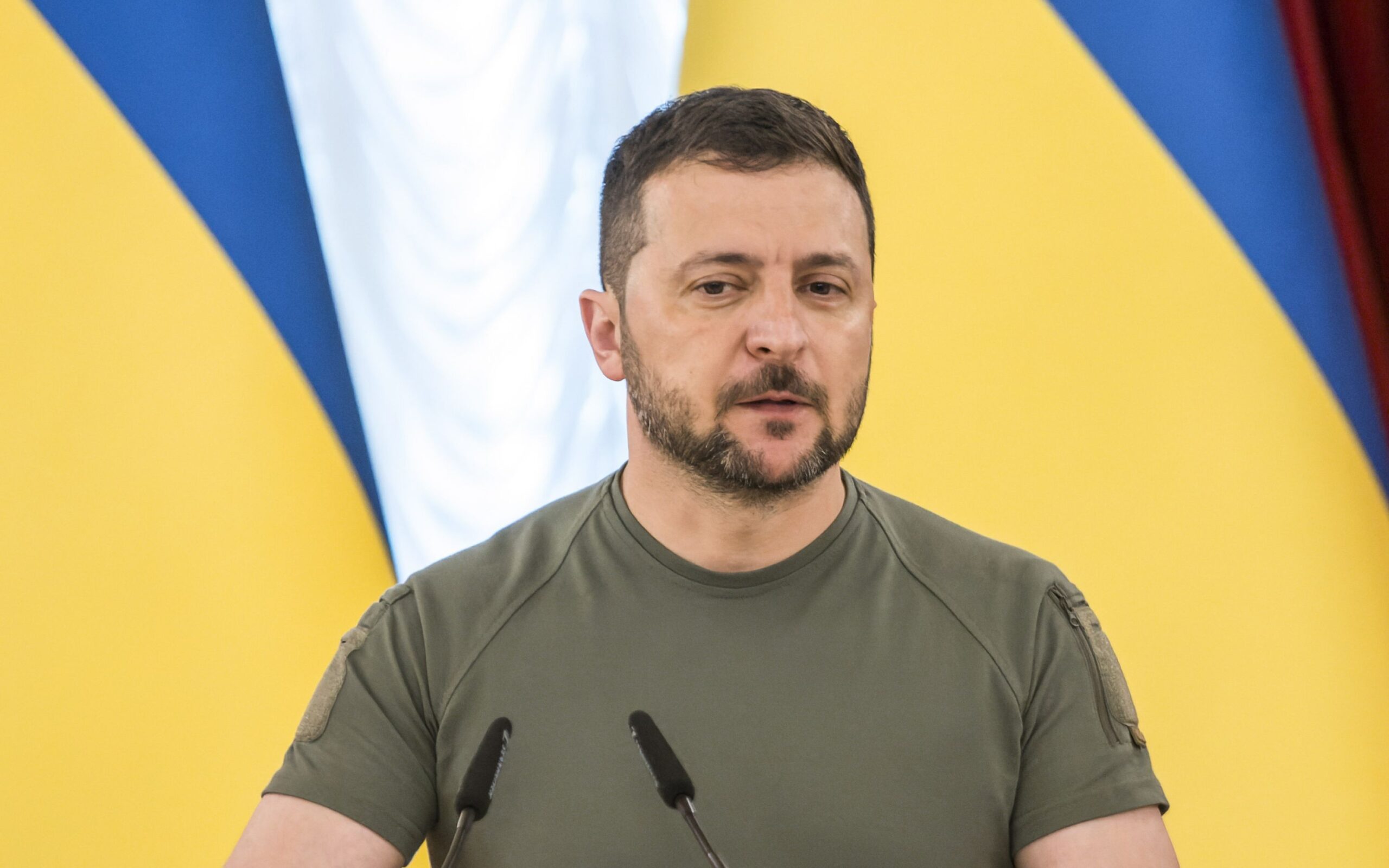
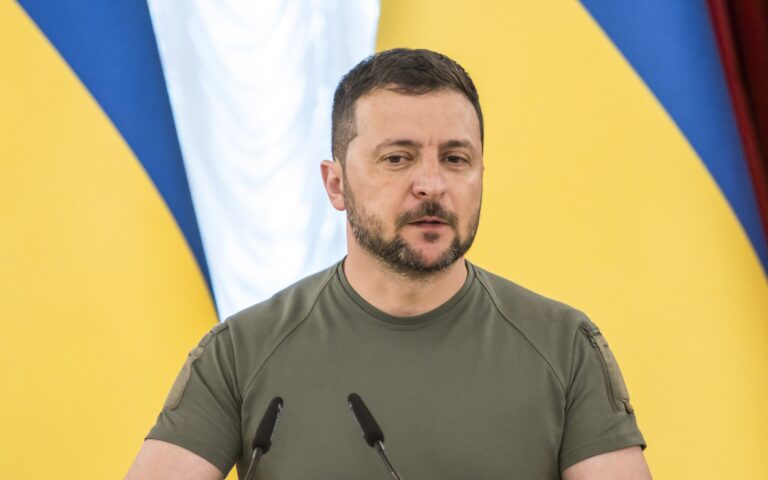
Ukrainian President Volodymyr Zelenskyy hosted leaders and representatives from seven countries for the first Carpathian Eight summit in western Ukraine on September 18. The gathering brought together Ukraine, Romania, Poland, Slovakia, the Czech Republic, Austria, Hungary and Serbia, with the European Union also involved.
The meeting came against a backdrop of renewed Russian attacks across Ukraine and continuing uncertainty over diplomatic efforts to end the conflict. The summit was intended to expand cooperation in security, energy, logistics, cross-border trade and support for local communities.
For Kyiv, the initiative represents an effort to turn regional cooperation into a broader political and economic framework at a time when the consequences of the war are increasingly being felt beyond Ukraine’s borders.
Security moves to the centre
Security was a central theme of the summit.
The meeting followed overnight Russian strikes in several Ukrainian regions that caused deaths, injuries and fires, according to the Associated Press. European governments have also expressed growing concern about potential spillover from the war, including drone incursions, cyberattacks, sabotage and other forms of hybrid activity.
The European Union has previously warned that Russia’s attacks and actions affecting EU member states pose wider risks to regional stability. In a September statement, the EU cited attacks on Ukrainian cities and infrastructure as well as incidents involving European territory and airspace.
That security environment is pushing countries across Central and Eastern Europe to consider how they can strengthen cooperation while the war remains unresolved.
Poland and Romania have been among Ukraine’s strongest regional supporters, while Hungary, Slovakia and Serbia have taken different positions on direct military assistance to Kyiv. Bringing those countries into the same regional framework therefore creates a forum that extends beyond traditional military alliances.
Energy becomes another front
Energy cooperation is another major part of Ukraine’s regional strategy.
According to Reuters, more than 50 agreements worth over €1 billion were signed during the summit, with more than half focused on energy, including solar and wind projects. Zelenskyy said the Carpathian region could eventually become an energy supplier to the European Union rather than simply serving as a transit area.
The push comes as European countries continue working to reduce their dependence on Russian energy.
For Ukraine, expanding renewable-energy cooperation also carries strategic importance. Developing alternative energy infrastructure could strengthen regional resilience while creating new economic links between Ukraine and neighbouring EU countries.
Peace remains elusive
Yet behind the economic agreements and regional diplomacy lies the central question: when and how can the war end?
US-mediated efforts to secure a settlement have made limited progress. The issue of territory remains one of the major obstacles, with Ukraine also seeking security guarantees from its partners as part of any potential agreement.
European governments have continued to support diplomatic efforts while maintaining that any settlement must respect Ukraine’s sovereignty and territorial integrity.
The European Council has called for an immediate and unconditional ceasefire and meaningful negotiations, while stressing that Ukraine must be involved in decisions concerning its future.
For Kyiv, the challenge is therefore twofold: maintaining international support for its defence while keeping diplomatic channels open.
Europe prepares for a longer confrontation
The latest developments suggest that European governments are planning for a conflict that may not end quickly.
Recent assessments cited by European officials indicate that negotiations have failed to produce a breakthrough, with expectations in some European capitals that the war could continue into 2027.
At the same time, Ukraine continues to seek stronger military and political backing. The United States has approved a possible $2.68 billion sale related to Ukrainian air-defence capabilities, according to reporting published this week.
The combination of military assistance, regional cooperation and continued diplomacy illustrates the increasingly complex strategy surrounding the war.
Ukraine is not relying on a single diplomatic channel. Instead, Kyiv is strengthening relationships with neighbouring countries, pushing for European involvement and maintaining broader international support.
A new regional political map
The significance of the Carpathian Eight may ultimately extend beyond the agreements signed at the summit.
The grouping brings together countries with different political positions and different levels of involvement in the war. Its creation suggests that Ukraine’s neighbours are seeking mechanisms for cooperation on issues that have become increasingly interconnected: defence, energy, transportation, trade and regional stability.
For Zelenskyy, the summit was presented as the beginning of a broader movement rather than a one-off meeting. The goal is to create another layer of cooperation linking Ukraine more closely with Central and Eastern Europe and, ultimately, the EU.
But the battlefield continues to shape the diplomatic environment.
As Russian strikes persist and negotiations remain uncertain, Europe’s approach to Ukraine is increasingly becoming a question not only of supporting Kyiv, but of determining how the continent responds to a prolonged security crisis on its eastern edge.
The diplomatic push and the military conflict are therefore moving in parallel: one seeking a path toward peace, the other preparing for the possibility that peace may still be far away.







+ There are no comments
Add yours