






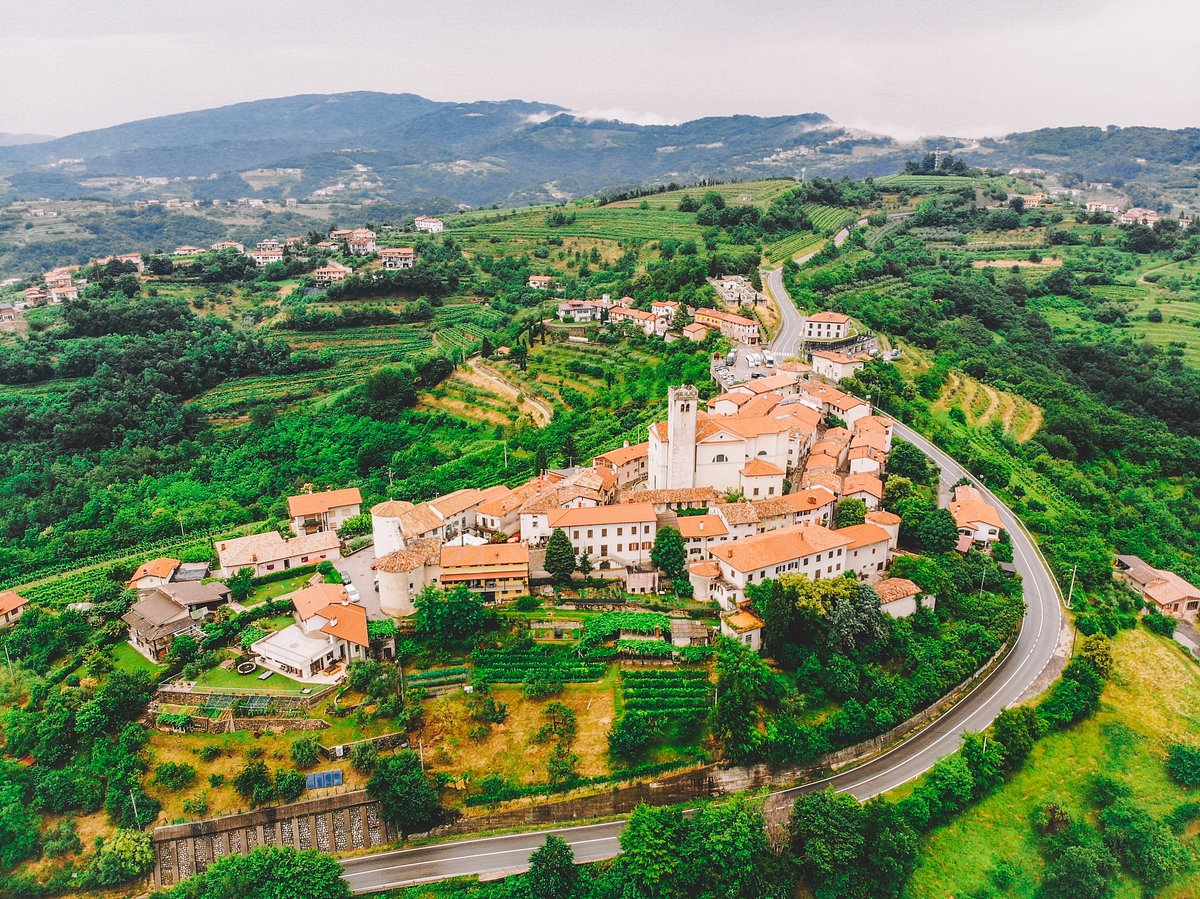
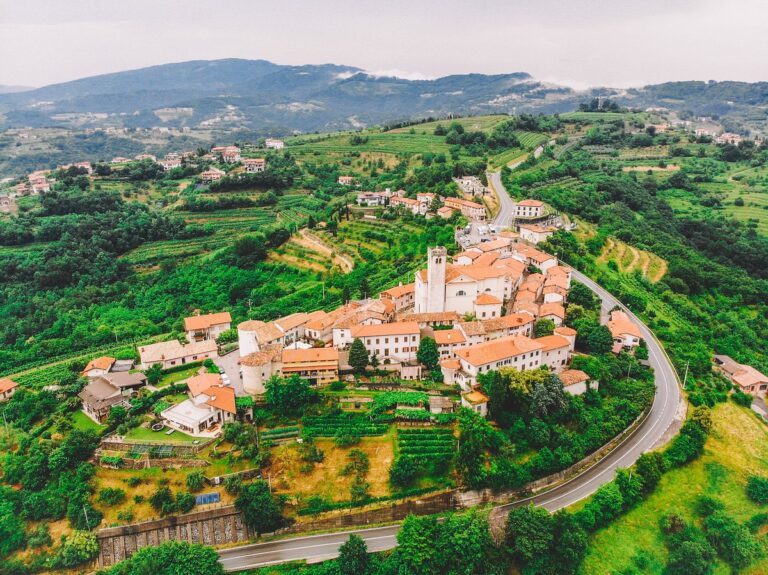
Hidden between mountains in southwestern Slovenia, the Vipava Valley is quietly emerging as a destination for travellers seeking something different from crowded European tourist hotspots.
Known for its vineyards, traditional villages, local food and dramatic karst landscape, the valley has traditionally received far less attention than Slovenia’s more famous Soča Valley. But that is beginning to change as local residents and entrepreneurs build a tourism industry focused on authenticity, community and protecting the character of the region.
Located about an hour’s drive southwest of Ljubljana and close to the Italian border, the Vipava Valley is shaped by the powerful burja wind, which sweeps down from the Alps. The dry climate and distinctive landscape have helped create ideal conditions for vineyards and local food production.
Wine is central to the region’s identity, but visitors can experience much more than tastings. Family-run farms, small restaurants, cycling routes, hiking trails and traditional guesthouses are becoming part of a growing visitor experience.
In the hilltop hamlet of Pedrovo, local businesses are helping bring new life to a village that once faced serious population decline. Čilčevi Farmstead produces fresh cheeses from local sheep and goats, while visitors can explore the surrounding countryside and meet the people behind the products.
Nearby, the boutique Wellba guesthouse in Planina has transformed an old farmstead into accommodation that combines modern comfort with traditional architecture and locally sourced materials. Its owners, Marko and Tereza Kobal, returned to the area after working in Ljubljana and are building a business they hope can remain connected to the valley for generations.
Other residents are developing small holiday cottages, restaurants, guided cycling tours and wine experiences. Narrow roads and vineyard-covered hills make the area particularly appealing for cycling, hiking and slow travel.
Food is another major attraction. Visitors can enjoy homemade pasta, local cheeses, dried meats and traditional dishes, while more ambitious dining experiences are also available. At Zemono Manor, chef Tomaž Kavčič combines local ingredients and Slovenian culinary traditions in a Michelin-starred setting.
What makes Vipava particularly interesting is the way tourism is developing. Instead of pursuing mass tourism, many local businesses are choosing a slower approach that puts the community first.
The valley may eventually become much better known, but its appeal lies precisely in what it has managed to preserve: quiet villages, family farms, local traditions and a strong connection between people and the land.
For travellers looking for an authentic European escape, Vipava Valley offers a refreshing reminder that sometimes the best destinations are the places still waiting to be discovered.






+ There are no comments
Add yours