







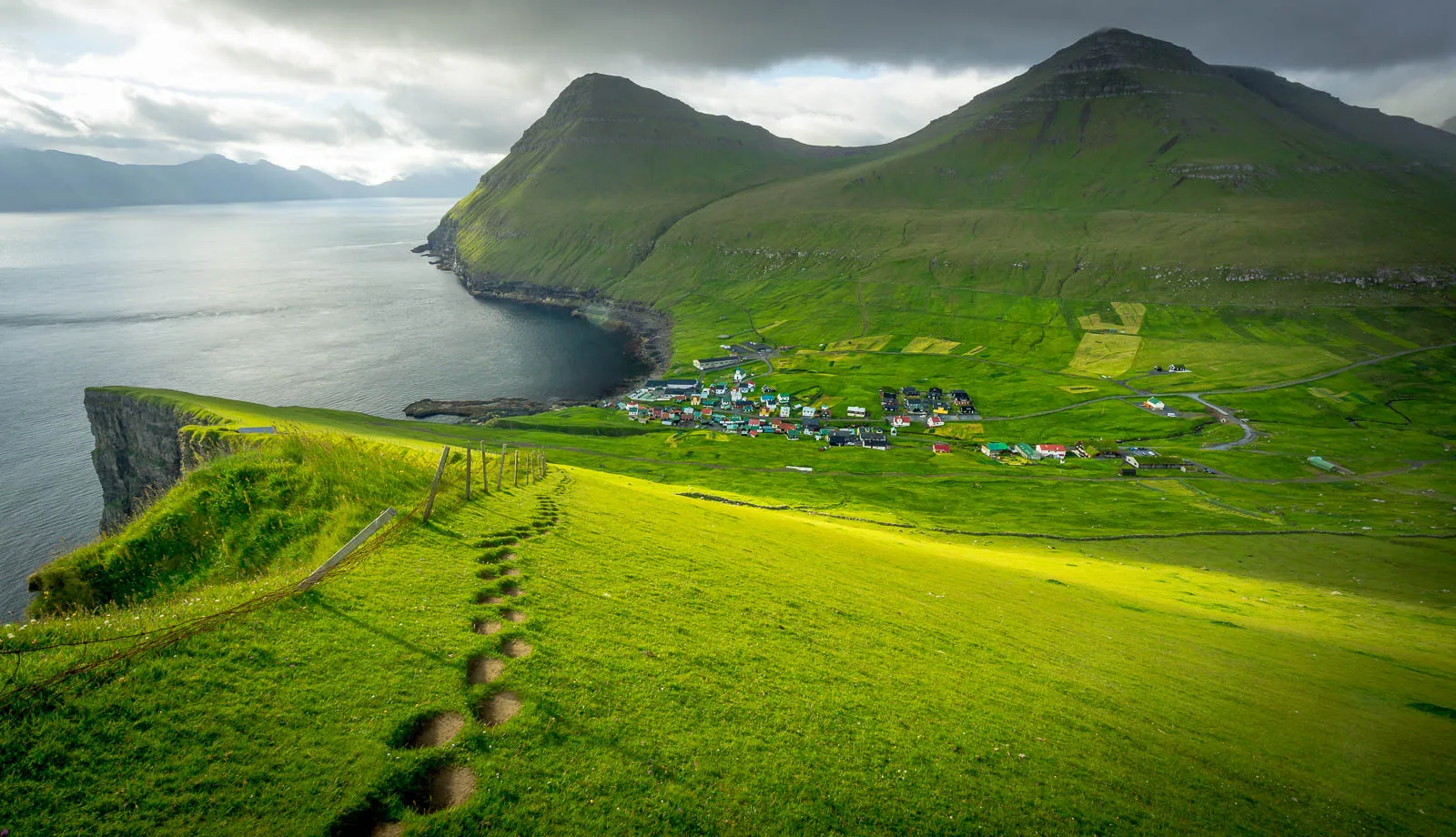
Faroe Islands, one of the world’s most remote inhabited places, is known for its dramatic landscapes, rich traditions, and small but resilient population. Located in the North Atlantic Ocean between Iceland, Norway, and Scotland, this self-governing archipelago consists of 18 mountainous islands connected by tunnels, bridges, ferries, and small roads. Despite its limited population, the Faroe Islands have developed a unique identity shaped by nature, history, and a strong sense of community.
With a population of around 50,000 people, the Faroe Islands are among the least populated inhabited territories in the world. The small population is spread across fishing villages, coastal settlements, and the capital city, Tórshavn, which is one of the smallest capital cities in the world. The islands are part of the Kingdom of Denmark but have extensive self-government, managing many of their own domestic affairs.
Life in the Faroe Islands is closely connected to the ocean. Fishing and seafood industries remain the foundation of the local economy, with fish exports playing a major role in supporting communities. In recent years, the islands have also focused on tourism, attracting visitors who come to experience their untouched landscapes, steep cliffs, waterfalls, and traditional villages surrounded by green hills.
The islands are famous for their breathtaking natural scenery, including towering sea cliffs, rugged mountains, and unpredictable weather that can change within minutes. Popular locations such as Lake Sørvágsvatn, the village of Saksun, and the dramatic cliffs of Vestmanna showcase the unique beauty of the region. The remote environment has also made the Faroe Islands a destination for travelers seeking adventure away from crowded tourist areas.
Despite their isolation, the Faroese people have preserved a rich cultural heritage. Traditional music, local cuisine, and the Faroese language remain important parts of daily life. The community continues to celebrate ancient customs while adapting to modern technology and global connections.
However, the islands face challenges due to their small population and remote location. Limited workforce availability, migration among younger residents, and the impact of climate change on marine ecosystems are ongoing concerns. Authorities continue to invest in infrastructure, education, and sustainable development to protect the future of the islands.
The Faroe Islands demonstrate how a small population can maintain a strong identity and thrive in one of the world’s most challenging environments. While they may be among the least populated places on Earth, their natural beauty, cultural richness, and determined communities have given them a remarkable presence on the global stage.







+ There are no comments
Add yours