






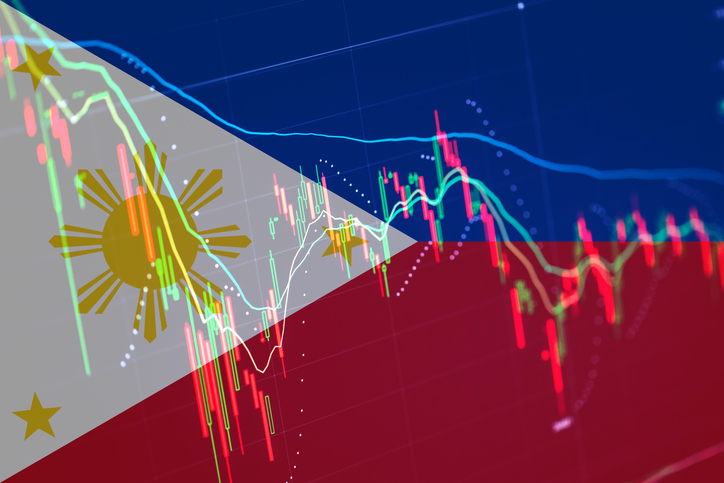
The Philippine government has lowered its economic growth forecast for 2026, citing the combined impact of an ongoing energy crisis, weaker global demand and slower domestic economic activity. The revised outlook reflects growing concerns over the country’s ability to sustain the strong growth recorded in previous years as policymakers confront both internal and external challenges.
Government officials said persistent energy supply constraints have weighed heavily on industrial production and business operations, while elevated electricity costs continue to affect manufacturers and consumers alike. The weaker global economic environment has also reduced demand for Philippine exports, adding pressure to the country’s economic performance.
The updated forecast signals a more cautious outlook for Southeast Asia’s fast-growing economy, with authorities acknowledging that international uncertainties, including slower growth among major trading partners, have created additional risks. Businesses are also facing rising operating costs, tighter financial conditions and continued supply chain disruptions that have limited investment and production.
Despite the downgrade, the government expressed confidence that ongoing infrastructure projects, public investment and measures aimed at strengthening energy security will help support economic activity in the coming months. Officials said efforts to expand renewable energy capacity and improve power reliability remain key priorities to reduce future supply shortages and enhance investor confidence.
Economists noted that while the revised projection reflects near-term challenges, the Philippines continues to benefit from a resilient domestic consumer market, a young workforce and steady remittance inflows from overseas Filipino workers. These factors are expected to provide a degree of stability even as global economic conditions remain uncertain.
Financial markets are expected to closely monitor upcoming economic indicators, including inflation, employment and industrial output, for signs of whether growth is stabilizing during the second half of the year. Investors will also be watching government policy decisions aimed at supporting businesses and maintaining fiscal discipline.
The revised forecast highlights the delicate balance policymakers face in sustaining economic growth while addressing structural challenges in the energy sector and navigating an increasingly uncertain global economy. Analysts say the country’s long-term growth prospects remain positive, but achieving stronger expansion will depend on improving energy resilience, encouraging private investment and adapting to evolving international market conditions.







+ There are no comments
Add yours