






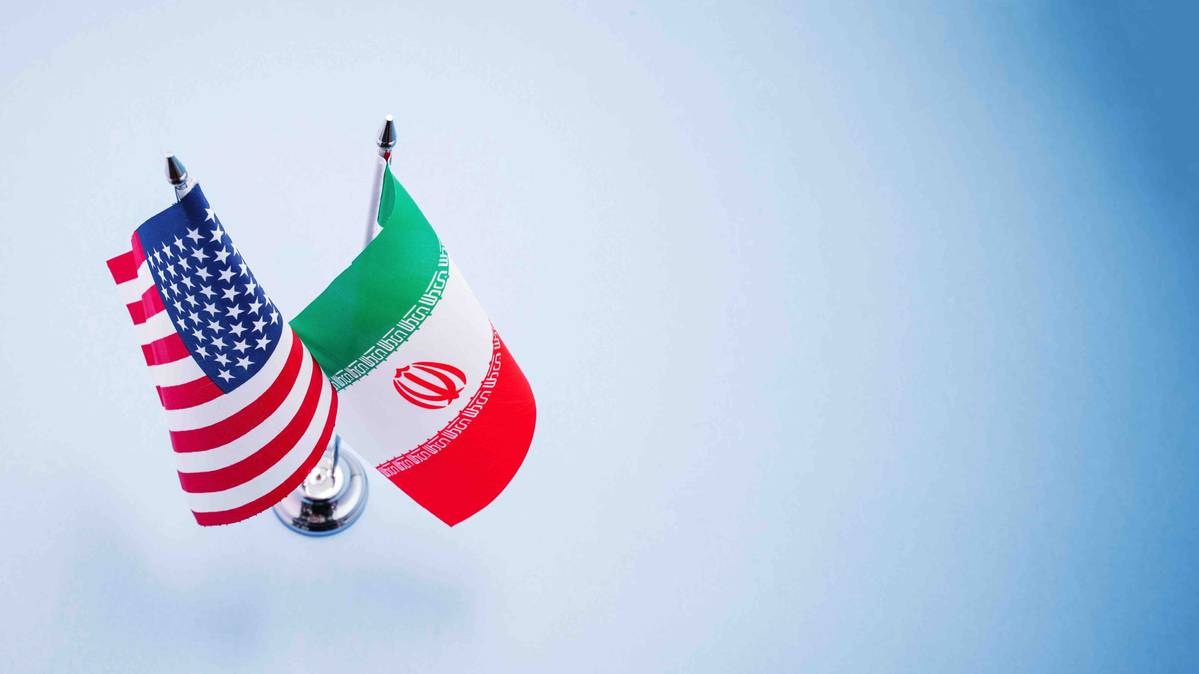
In a dramatic diplomatic breakthrough that could reshape the geopolitical landscape of the Middle East, the United States and Iran have signed a landmark Memorandum of Understanding (MoU) aimed at ending months of conflict and opening the door to comprehensive peace negotiations. The agreement initiates a 60-day period of intensive talks focused on resolving long-standing disputes over Iran’s nuclear program, sanctions relief, regional security, and maritime stability.
The deal, described by officials as a framework for peace rather than a final settlement, calls for an immediate halt to hostilities and establishes a roadmap toward a broader and legally binding agreement. Both sides have committed to refraining from military actions while negotiations continue, marking the most significant diplomatic engagement between Washington and Tehran in years.
A central element of the agreement is the gradual reopening of the strategically vital Strait of Hormuz, one of the world’s most important energy corridors. The move is expected to restore confidence in global energy markets and ease concerns over disruptions to international shipping routes. In parallel, the United States is expected to provide limited sanctions relief and facilitate access to certain frozen Iranian assets as confidence-building measures.
The memorandum also outlines commitments related to Iran’s nuclear activities. While major details remain subject to negotiation, Tehran has reportedly agreed to work with international inspectors and engage in discussions aimed at addressing global concerns regarding its nuclear program. In return, Iran seeks guarantees on economic normalization and recognition of its right to peaceful nuclear development.
Despite widespread optimism, analysts caution that the road ahead remains challenging. The 60-day negotiation window will require both nations to overcome decades of mistrust and resolve highly sensitive issues that have repeatedly derailed previous diplomatic efforts. Regional actors and global powers are expected to closely monitor the talks, given their potential impact on Middle Eastern security and international energy markets.
Financial markets reacted positively to the announcement, viewing the agreement as a step toward reducing tensions in one of the world’s most volatile regions. However, officials on both sides acknowledge that success is far from guaranteed, with the future of the process depending on sustained political will and concrete progress during negotiations.
For now, the signing of the MoU represents a rare moment of diplomatic hope, offering a potential pathway away from conflict and toward a more stable and cooperative future.





+ There are no comments
Add yours