







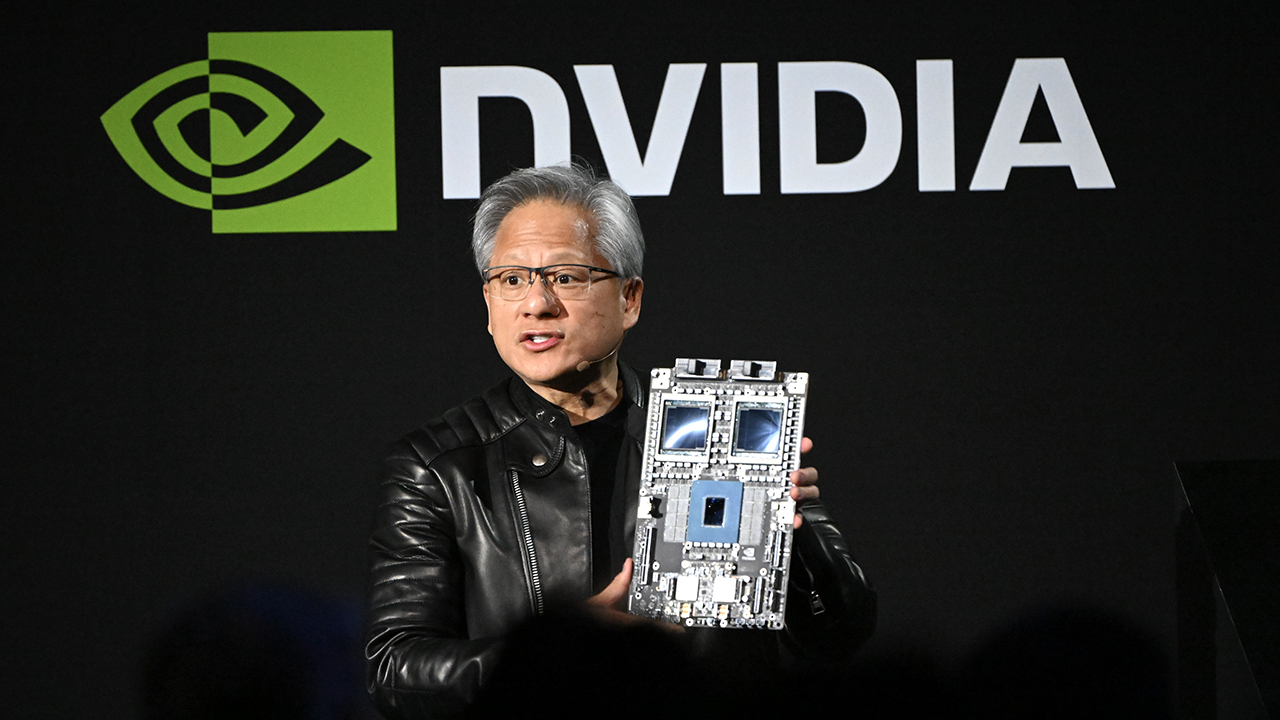
Nvidia remains well-positioned to support the rapid expansion of artificial intelligence technologies despite ongoing supply chain challenges, according to Chief Executive Officer Jensen Huang.
Speaking about the company’s outlook amid the global AI boom, Huang said Nvidia has sufficient capacity to accommodate strong growth in both central processing units (CPUs) and graphics processing units (GPUs), the key technologies powering advanced AI systems, data centers, and machine learning applications.
The comments come as demand for AI computing infrastructure continues to soar, driven by businesses, governments, and technology firms investing heavily in generative AI, cloud computing, and high-performance computing. Nvidia has emerged as one of the biggest beneficiaries of the trend, with its AI-focused chips becoming the industry standard for training and deploying sophisticated AI models.
Despite concerns about manufacturing bottlenecks and supply limitations across the semiconductor sector, Huang expressed confidence in the company’s ability to meet customer needs. He noted that Nvidia has worked closely with manufacturing and supply chain partners to expand production and ensure a steady flow of products to the market.
The company’s GPUs remain at the center of the AI revolution, powering everything from large language models and autonomous systems to scientific research and enterprise applications. Nvidia has also expanded its presence in data center infrastructure and AI software, strengthening its position as a leading supplier of AI technology worldwide.
Industry analysts have closely monitored Nvidia’s ability to keep pace with growing demand, particularly as competition for advanced chips intensifies. However, Huang’s remarks suggest the company believes its production capacity and supply network are strong enough to support continued expansion.
Nvidia’s success has helped fuel a remarkable rise in its market value, reflecting investor confidence in the long-term growth potential of artificial intelligence. As organizations continue to accelerate AI adoption, demand for high-performance computing hardware is expected to remain strong in the coming years.
With AI investments showing little sign of slowing, Nvidia appears poised to maintain its leadership role in the sector, supported by robust chip production capabilities and a growing ecosystem of AI products and services. Huang’s reassurance is likely to ease concerns among customers and investors who have questioned whether supply constraints could limit the next phase of AI-driven growth.









+ There are no comments
Add yours