







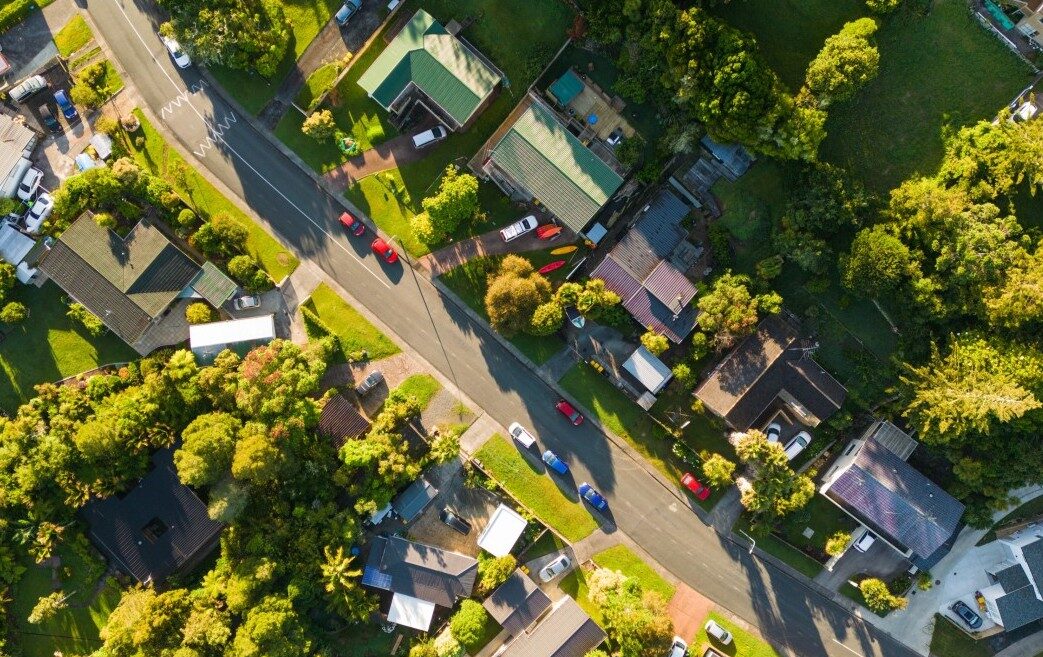
The global real estate market is navigating a complex phase in 2026, marked by uneven recovery, shifting investment flows, and growing regional divides that are reshaping how buyers, developers, and investors approach property.
Across major economies, analysts say the sector is no longer moving in a single direction. Instead, some markets are stabilising after years of volatility, while others continue to struggle with affordability pressures, high borrowing costs, and declining transaction volumes. In many regions, pricing has begun to flatten, suggesting that the sharp corrections seen in previous years may be easing.
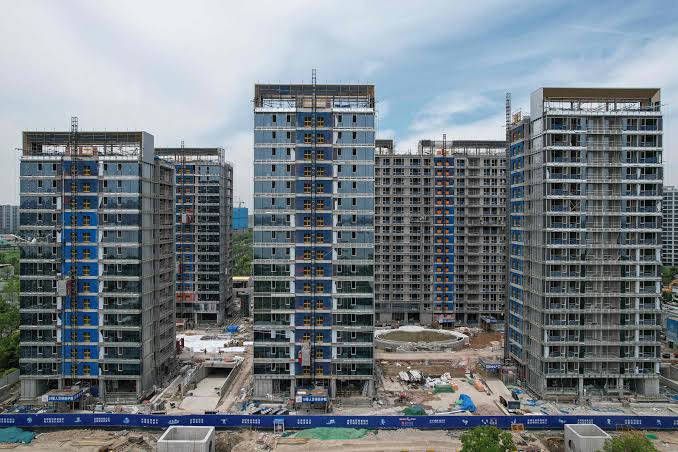
Recent industry outlooks indicate that capital is slowly returning to property markets as financing conditions improve compared to the peak tightening cycle. However, recovery remains selective. High-quality assets in prime urban centres are attracting renewed interest, while weaker or overbuilt segments continue to face pressure from oversupply and reduced demand.
In the residential sector, demand patterns are also shifting. Buyers are increasingly prioritising affordability, location flexibility, and long-term value over rapid price appreciation. In some markets, regional divergence is becoming more pronounced, with certain cities experiencing continued growth while others see stagnation or decline.
Commercial real estate is undergoing a parallel transformation. Office spaces remain under pressure due to hybrid work trends, while logistics, industrial, and data-centre properties are drawing stronger investor interest as global supply chains and digital infrastructure expand.
At the same time, luxury property markets are showing resilience in select global cities, even as mid-tier segments struggle with affordability constraints. Experts suggest this reflects a widening gap between high-net-worth buyers and average households, further reinforcing the “two-speed” nature of today’s real estate landscape.
Despite ongoing uncertainty, analysts argue that 2026 is not a downturn year but a rebalancing period. Opportunities are emerging for investors who can navigate volatility, identify undervalued assets, and adapt to changing demographic and economic conditions.
As the year progresses, the defining challenge for the real estate sector will be balancing risk with opportunity in a market that is no longer uniformly rising—but increasingly fragmented, selective, and strategy-driven.









+ There are no comments
Add yours