






The global travel industry is entering a new phase of uncertainty as rising costs, operational disruptions, and shifting passenger habits reshape how people move across borders in 2026.
Airlines and tourism operators are reporting continued pressure from high fuel prices, volatile exchange rates, and increased airport charges, all of which are feeding directly into ticket prices. For many travellers, what was once an annual holiday abroad is becoming a carefully calculated expense, with shorter trips and closer destinations increasingly preferred over long-haul journeys.
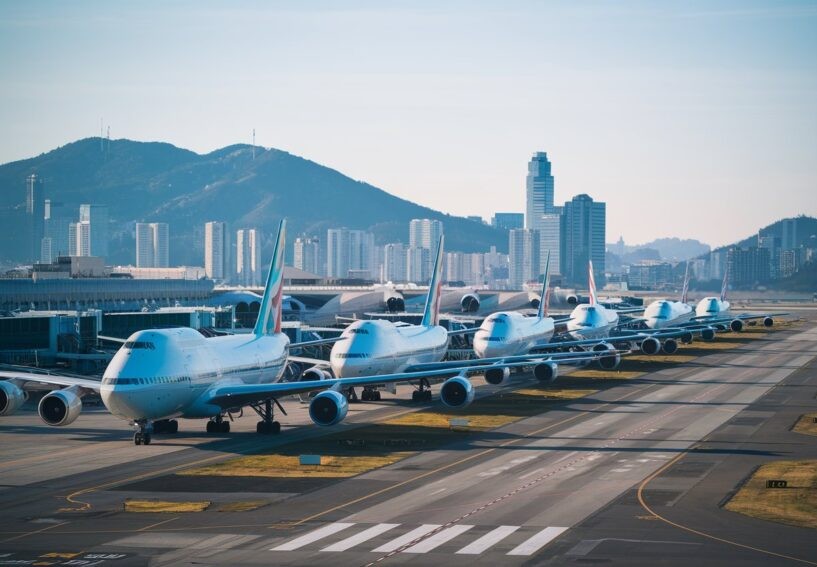
Across major aviation hubs, delays and cancellations have added another layer of frustration. Weather instability in key transit regions, combined with staffing shortages and tightening operational margins, has created a ripple effect across global flight networks. Even small disruptions are now triggering wider schedule breakdowns, leaving passengers facing uncertainty well beyond departure gates.
Tourism boards in several regions have noted a clear behavioural shift. Instead of peak-season mass travel, more tourists are opting for off-season bookings, flexible tickets, and refundable accommodation. Travel insurance uptake has also increased sharply, reflecting growing caution among international travellers.
Industry analysts say the current situation is not a collapse in demand, but a rebalancing. People are still travelling, but they are more selective, more price-sensitive, and far more reactive to disruption risk than in previous years. Budget carriers are seeing mixed results—strong demand on some routes, but reduced appetite for unpredictable or heavily delayed corridors.
Meanwhile, premium travel segments are holding steadier, as wealthier travellers continue to prioritise comfort, flexibility, and reliability over cost concerns. This divide is gradually reshaping the structure of global tourism itself, creating what some experts describe as a “two-speed travel economy.”
Governments and aviation regulators are now under pressure to address infrastructure strain, rising fees, and passenger protection standards. However, with global demand still high, there is little immediate relief expected on pricing or congestion.
For travellers, the message is increasingly clear: planning ahead is no longer enough. Flexibility, patience, and financial buffer have become essential parts of modern travel in a system that is still adjusting to post-pandemic realities, economic pressure, and a more unpredictable global environment.









+ There are no comments
Add yours