







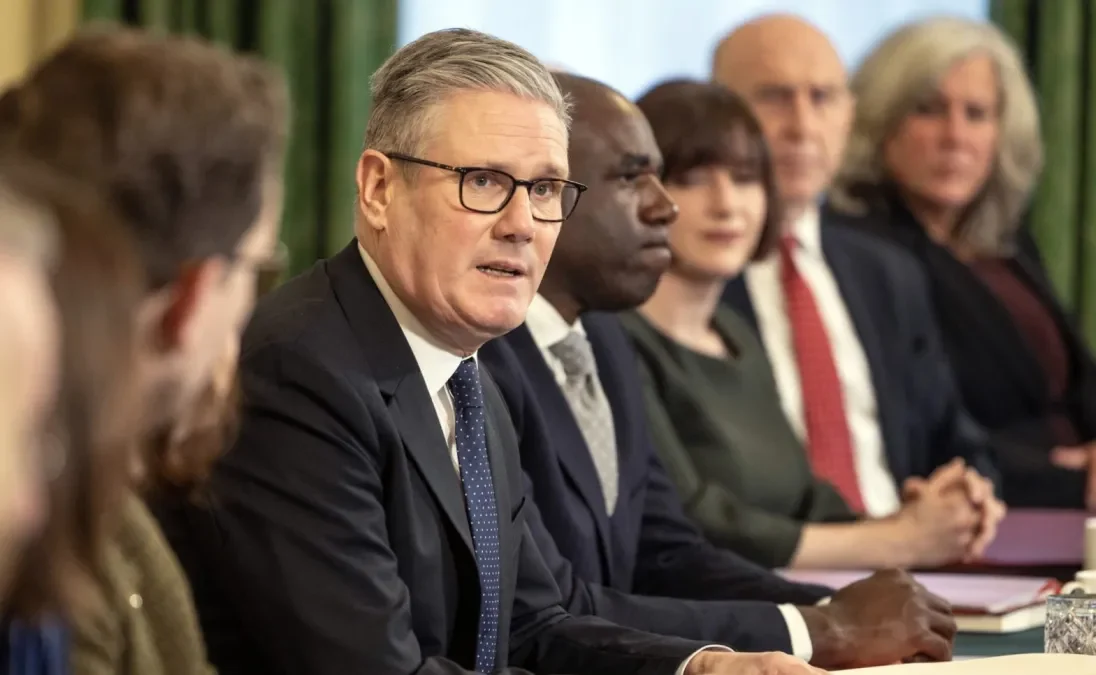
Tensions are rising inside the Labour Party as a growing number of MPs privately question whether Sir Keir Starmer can continue to lead the party through the next phase of government without a serious challenge to his authority.
What began as muted frustration over policy direction has reportedly hardened into open discussion among backbenchers and union-linked figures about the long-term viability of his leadership. While no formal leadership contest has been declared, the atmosphere in Westminster is described by insiders as increasingly volatile, with loyalty to the leadership being tested on multiple fronts.
At the heart of the unrest is a perception among some MPs that Labour’s strategic messaging has become too cautious, failing to energise traditional supporters while struggling to define a bold post-election agenda. Others argue that internal discipline has come at the cost of debate, creating a sense of unease within the parliamentary party.
The leaked conversations circulating among party figures suggest that dissatisfaction is no longer confined to private grumbling. Some MPs are now openly speculating about potential successors, even as the leadership insists it remains firmly in control of policy direction and governance priorities.
Supporters of Starmer argue that stability is essential after years of political turbulence, and that leadership unity is necessary to maintain public confidence. They point to efforts to restore economic credibility, reform public services, and position Labour as a government-in-waiting capable of long-term delivery rather than short-term political signalling.
However, critics warn that the current approach risks alienating key sections of Labour’s coalition, particularly trade union allies and grassroots activists who feel sidelined in strategic decisions. The widening gap between leadership and parts of the party base has fuelled speculation that tensions could intensify as the next general election approaches.
For now, there is no organised revolt—only fragmented discontent. But in Westminster politics, such undercurrents rarely remain static for long. As one party insider put it, the question is no longer whether there is tension inside Labour, but how long it can remain contained before it becomes something far more consequential.






+ There are no comments
Add yours