







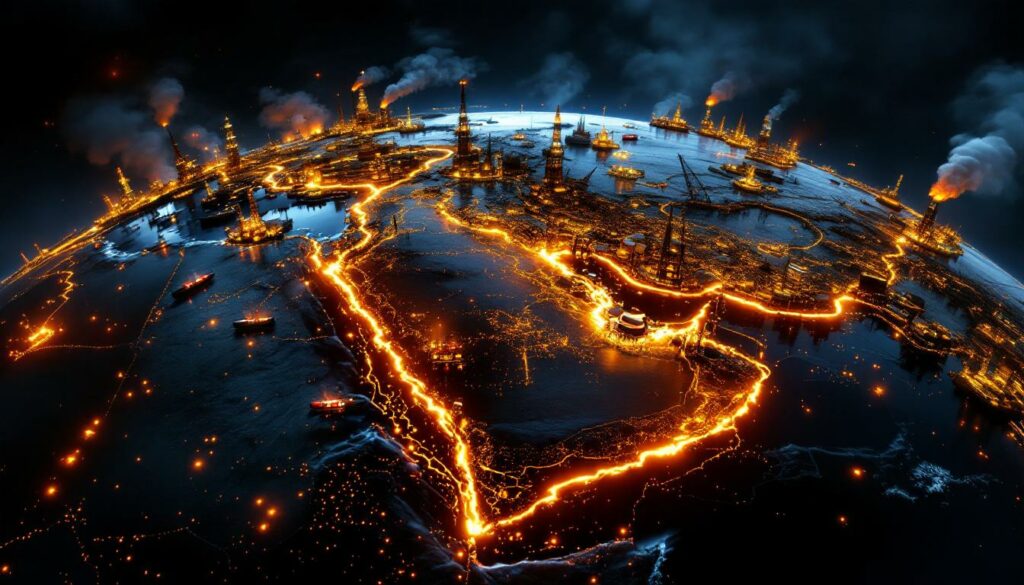
Global financial markets have experienced sharp volatility as renewed tensions in the Middle East pushed oil prices higher and revived concerns over inflation and economic stability.
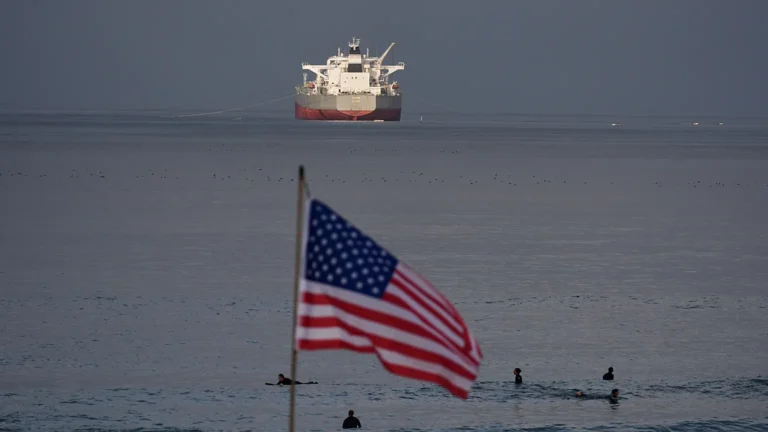
Benchmark crude prices climbed above recent levels after reports of escalating risks to shipping routes in the Strait of Hormuz, a critical passage for global energy supplies. Traders say fears of potential disruption to oil flows have once again become a dominant force shaping investor sentiment.
The rise in energy prices has fed through into wider market uncertainty, with stocks in Europe and the United States swinging between gains and losses as investors reassess the outlook for global growth.
Wall Street opened mixed, reflecting a tug-of-war between stronger energy sector gains and weakness in technology and consumer-focused shares. Analysts say markets are reacting less to corporate fundamentals and more to geopolitical developments driving commodity prices.
In Asia, markets followed a similar pattern, with early gains in energy-linked stocks offset by broader caution over inflationary pressures that could delay interest rate cuts from major central banks.
Inflation concerns are again moving to the forefront, as higher oil prices threaten to push up transport and production costs worldwide. Economists warn that even a short-lived spike in energy prices could complicate monetary policy decisions in the months ahead.
Central banks in the United States and Europe are now expected to maintain a cautious stance, with policymakers closely watching whether energy-driven inflation proves temporary or more persistent.
Corporate earnings season is also underway, with major financial institutions reporting solid results, though outlook statements remain guarded amid the uncertain global backdrop.
Investors are now balancing two competing narratives: resilience in corporate profits and labour markets, versus the growing risk of external shocks from geopolitics and energy markets.
For now, global markets remain highly sensitive to developments in the Middle East, with traders warning that volatility is likely to persist until there is clearer evidence of stability in the region.









+ There are no comments
Add yours