







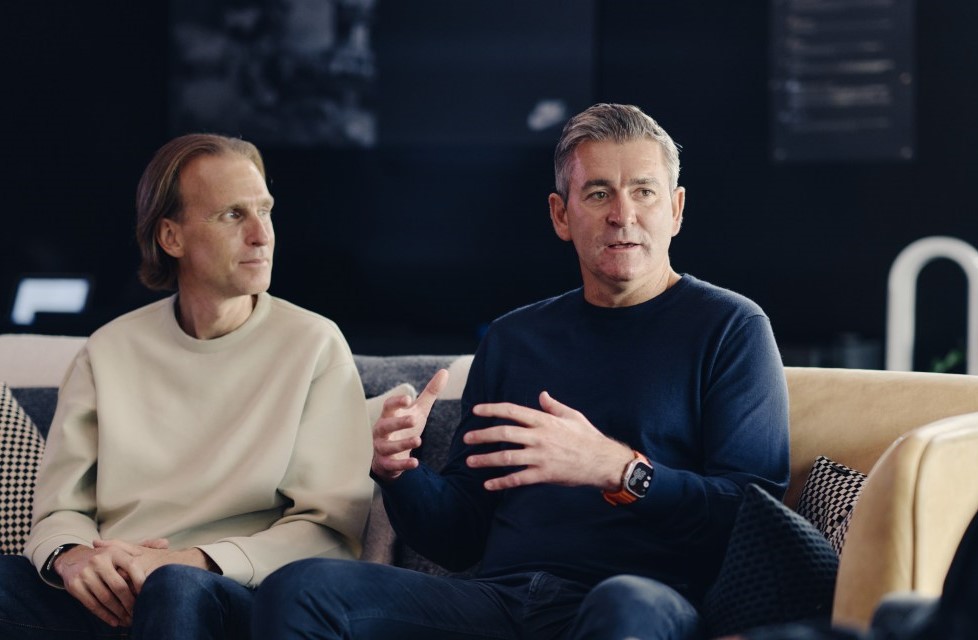
Nike is once again reshuffling its leadership ranks, signaling deeper turbulence in its ongoing turnaround efforts. Tony Bignell, a longtime company veteran who stepped into the role of chief innovation officer less than a year ago, is set to depart, marking yet another shift at a critical moment for the world’s largest sportswear brand.
Bignell’s exit comes as Nike grapples with slowing growth, intensifying competition, and questions about the strength of its innovation pipeline long considered the company’s core advantage. His appointment had been viewed internally as a stabilizing move, bringing in an experienced hand with deep institutional knowledge to reinvigorate product development. However, his short tenure suggests that Nike’s challenges may be more entrenched than initially anticipated.
The leadership change highlights a broader struggle within Nike to balance its legacy of breakthrough innovation with the demands of a rapidly evolving marketplace. In recent years, competitors have chipped away at its dominance by moving faster in areas like performance technology, sustainability, and direct-to-consumer engagement. At the same time, shifting consumer preferences have put pressure on Nike to deliver not just incremental updates, but truly differentiated products.
Insiders say the innovation division has faced internal friction, with overlapping responsibilities and unclear strategic direction slowing decision-making. Bignell’s departure may be an attempt to reset that structure, though it also raises concerns about continuity at a time when consistency is sorely needed.
Nike has not yet announced a permanent successor, but the company is expected to either elevate internal talent or bring in an external leader with a fresh perspective. Either path carries risks: promoting from within may preserve cultural alignment but limit disruptive thinking, while an outsider could face a steep learning curve navigating Nike’s complex organization.
The timing is particularly sensitive. Nike is in the midst of a broader turnaround strategy aimed at reigniting growth, strengthening its digital ecosystem, and restoring brand momentum. Innovation is central to that effort not only in product design but also in manufacturing, supply chain efficiency, and consumer experience.
Investors will be watching closely to see how Nike addresses the leadership gap and whether it can stabilize its innovation engine. The company’s ability to deliver compelling new products has historically been a key driver of its premium positioning and pricing power. Without a clear vision and strong execution in this area, its competitive edge could continue to erode.
Ultimately, Bignell’s departure underscores a pivotal reality: Nike’s turnaround will depend not just on strategic plans, but on its ability to align leadership, culture, and creativity in a way that produces meaningful, market-leading innovation. Whether this latest change accelerates that process or further complicates it remains to be seen.








+ There are no comments
Add yours