







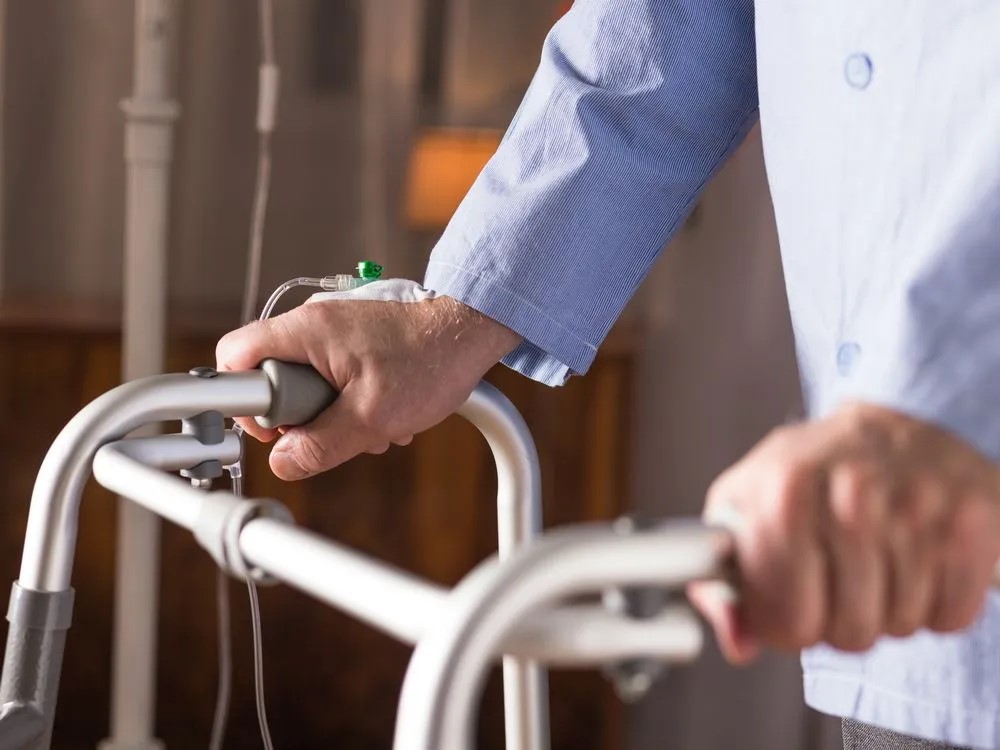
Muscle loss is often associated with aging, but health experts are increasingly emphasizing that lifestyle choices play a critical role in maintaining strength and preventing early decline. Recent findings suggest that diet, exercise habits, and daily routines can significantly influence muscle health at any age.
According to specialists in nutrition and fitness, a sedentary lifestyle, inadequate protein intake, and poor overall nutrition can accelerate muscle loss, a condition known as sarcopenia. While aging naturally affects muscle mass, lifestyle factors can either slow down or worsen the process.
“Many people think muscle loss is an inevitable part of getting older, but in reality, regular physical activity and proper nutrition can make a huge difference,” said a leading geriatric health expert. “Resistance training, adequate protein, and even simple daily movement are key strategies for preserving muscle strength and mobility.”
The experts recommend incorporating strength-training exercises two to three times per week and complementing them with aerobic activity. Protein-rich diets, including lean meats, legumes, and dairy, along with sufficient hydration and micronutrients such as vitamin D and calcium, are also critical for maintaining healthy muscles.
In addition to physical activity and diet, other lifestyle choices like avoiding smoking, managing stress, and ensuring quality sleep have been shown to impact muscle preservation. Experts stress that adopting these habits early can prevent long-term mobility issues and reduce the risk of falls or injuries later in life.
Healthcare professionals are urging individuals of all ages to take proactive steps. “It’s never too early or too late to focus on muscle health,” added the specialist. “Even small changes in daily activity or diet can produce meaningful improvements over time.”
As awareness grows around the role of lifestyle in muscle maintenance, individuals are encouraged to view strength as a lifelong priority, integrating healthy habits into their routines to support both physical fitness and overall well-being.










+ There are no comments
Add yours