







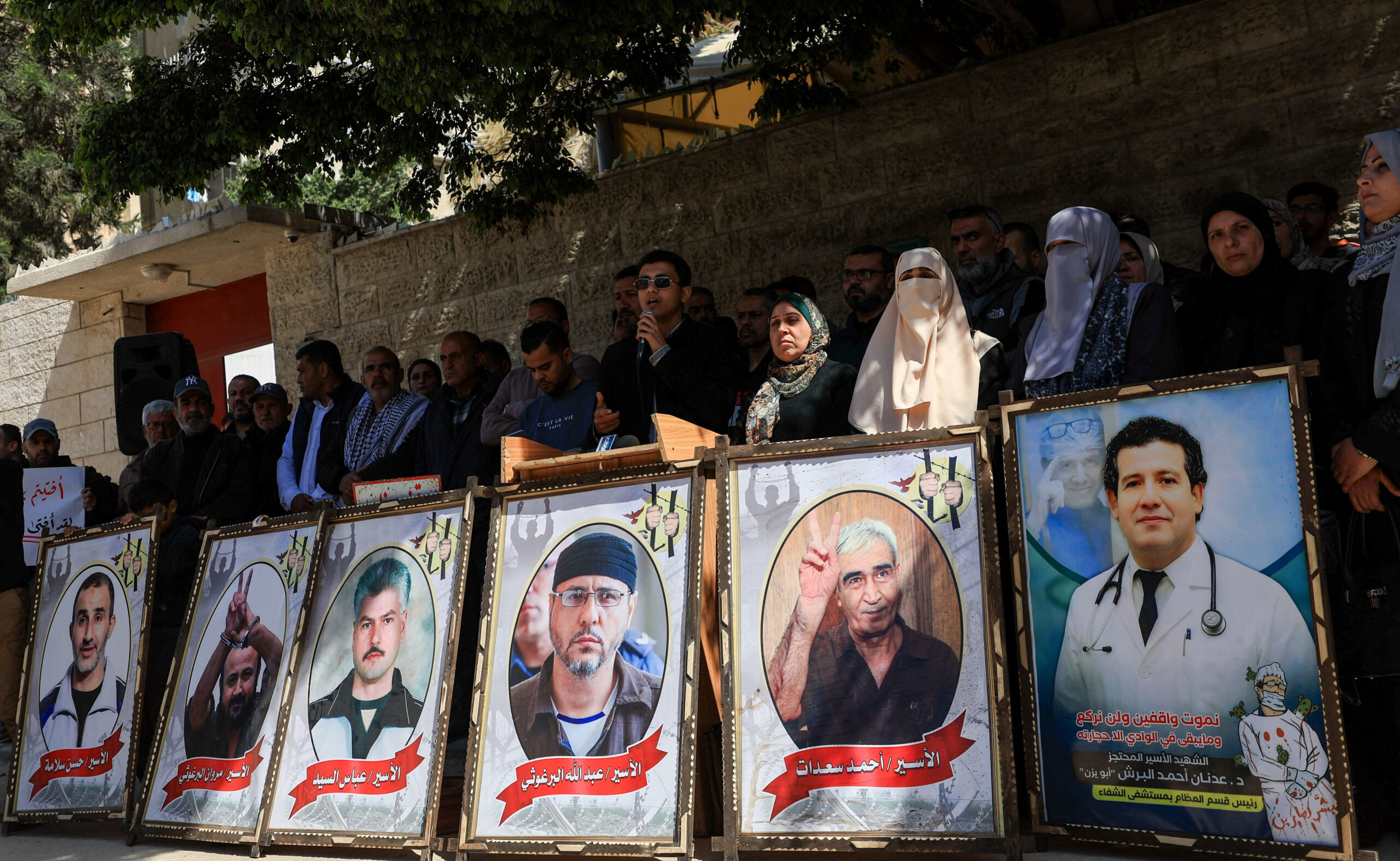
Concerns are mounting among Palestinian prisoners and human rights groups following renewed debate over a proposed Israeli law that could allow the death penalty for certain offenses, raising fears about due process and legal protections.
The legislation, backed by members of the government led by Benjamin Netanyahu, seeks to introduce capital punishment in cases involving acts defined as terrorism. Supporters argue that the measure is intended to strengthen deterrence and address security threats. However, critics warn that the law could have far-reaching consequences, particularly for Palestinians held in Israeli custody.
Human rights organizations have voiced alarm that the proposed framework may undermine fair trial standards. They argue that in a highly charged political and security environment, ensuring impartial judicial processes can be challenging. Advocacy groups have raised concerns that defendants could face severe penalties without adequate legal safeguards, increasing the risk of wrongful convictions.
Palestinian detainees and their families have expressed fear that the introduction of capital punishment could lead to irreversible outcomes. Many point to longstanding criticisms of detention practices, including administrative detention and limitations on legal representation, as factors that could compound the risks associated with such a law.
International observers have also weighed in, urging caution and adherence to international legal norms. Legal experts emphasize that the application of the death penalty remains highly controversial worldwide, with many countries moving away from capital punishment altogether due to concerns about human rights and judicial error.
Israeli officials, however, maintain that any law passed would be implemented within the country’s judicial system and subject to oversight. They argue that national security considerations require strong legal tools to respond to violent threats.
The debate reflects broader tensions surrounding security, justice, and human rights in the region. As discussions continue, the potential adoption of the law has intensified scrutiny from both domestic and international communities.
The outcome of this legislative effort could have significant implications, not only for those directly affected but also for the wider discourse on law, accountability, and human rights in the context of ongoing conflict.











+ There are no comments
Add yours