







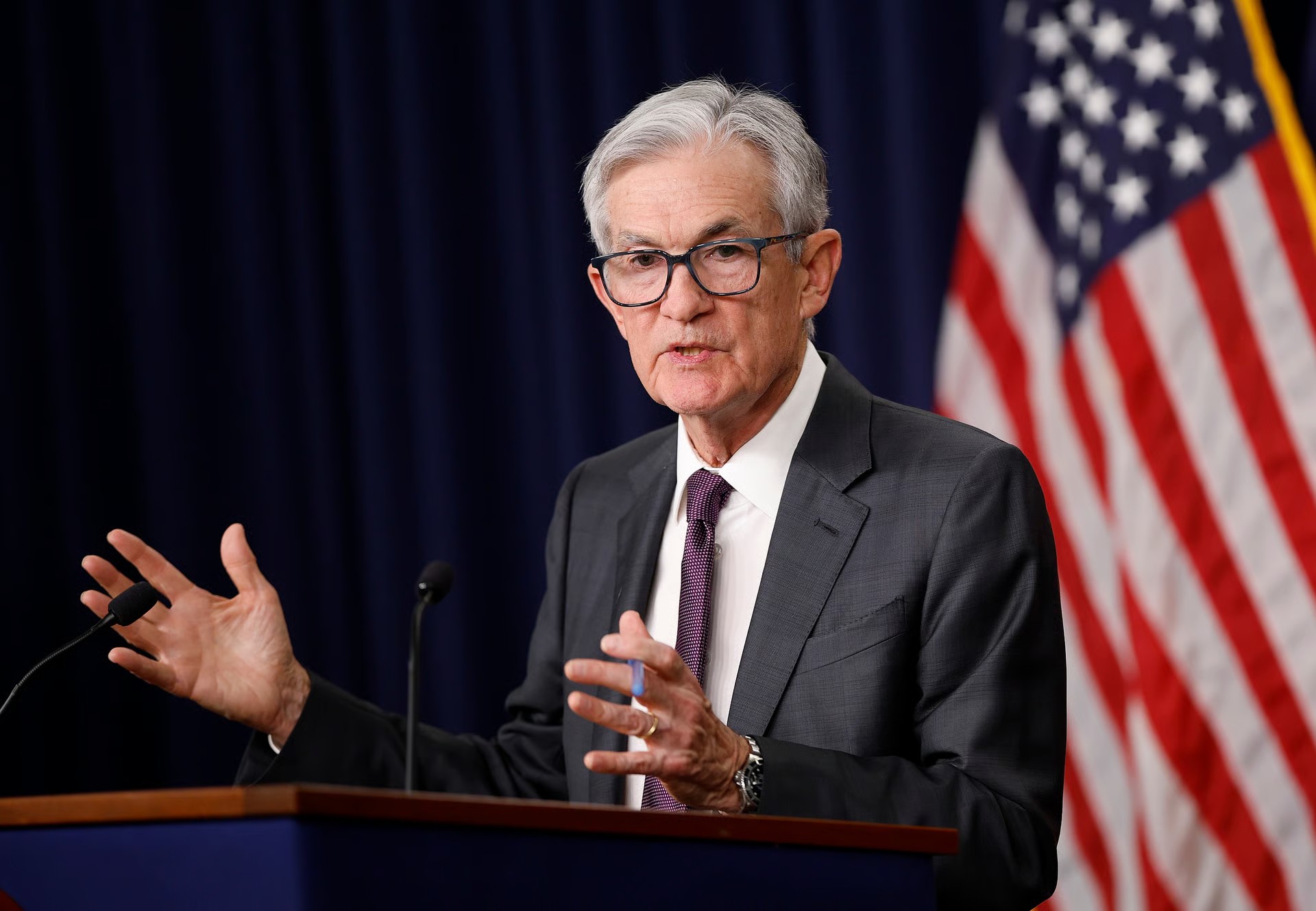
Jerome Powell indicated that the Federal Reserve is prepared to adopt a cautious, wait-and-see approach as escalating geopolitical tensions inject fresh uncertainty into the inflation outlook. Speaking amid growing concerns over the economic fallout from war, Powell emphasized that policymakers are closely monitoring developments before making any decisive moves on interest rates.
Recent conflicts have complicated an already fragile global economic environment, disrupting supply chains, driving volatility in energy markets, and raising questions about future price stability. Powell acknowledged that while inflation has shown signs of easing in recent months, the unpredictable nature of war-related shocks could reverse that progress or delay the Fed’s path toward its long-term targets.
“We are in a position where we can observe how events unfold,” Powell said, underscoring the central bank’s commitment to data-driven decision-making. His remarks suggest that the Fed is reluctant to act prematurely, particularly when the full economic impact of the conflict remains unclear.
Market participants have been keenly watching the Fed’s stance, especially after a prolonged period of aggressive rate hikes aimed at curbing inflation. Powell’s comments may reassure investors that the central bank is not rushing into further tightening, but they also highlight the delicate balance policymakers must strike between controlling inflation and sustaining economic growth.
Analysts note that war can have mixed effects on inflation. While higher commodity prices, particularly oil and gas, can push inflation upward, weakened global demand and financial uncertainty may exert downward pressure. This dual effect complicates forecasting and reinforces the Fed’s cautious posture.
For now, the Fed appears content to hold its position, gathering more data as the situation evolves. Powell reiterated that the central bank remains fully committed to its dual mandate of price stability and maximum employment, but acknowledged that external shocks like war can significantly alter the economic landscape.
As the global situation continues to unfold, the Fed’s measured approach signals both vigilance and restraint, leaving the door open for policy adjustments once clearer trends emerge.








+ There are no comments
Add yours