







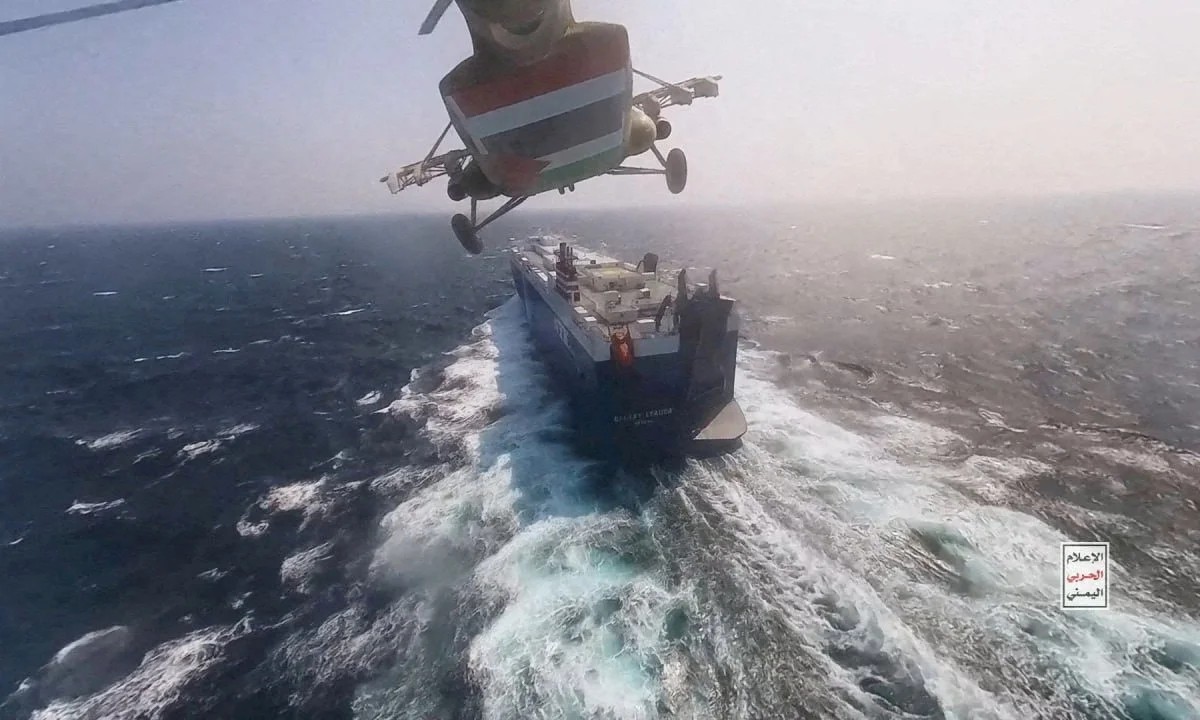
Growing concerns over potential attacks by the Houthi movement on vessels in the Red Sea are fueling fears of further disruption to global trade and economic stability. Industry experts warn that escalating tensions in the region could significantly impact one of the world’s most critical shipping routes, with ripple effects across international markets.
The Red Sea serves as a vital corridor for global commerce, linking Europe and Asia through the Suez Canal. Any sustained threat to shipping in this region risks delaying deliveries, increasing insurance costs, and forcing vessels to take longer, more expensive alternative routes around Africa. Analysts say such disruptions could drive up the cost of goods worldwide, adding pressure to already fragile supply chains.
Recent incidents involving commercial ships have heightened concerns among shipping companies and governments alike. While the scale of attacks remains limited, the unpredictability of the situation has prompted several firms to reassess routes and security measures. Maritime authorities have issued warnings, urging vessels to exercise caution when transiting through high-risk areas.
The potential impact extends beyond shipping alone. Energy markets are particularly vulnerable, as a significant portion of global oil and gas supplies pass through the Red Sea. Any disruption could lead to increased fuel prices, affecting industries and consumers across multiple regions, including India and China, both heavily dependent on imported energy.
Governments and international organizations are closely monitoring the situation, with calls for coordinated efforts to ensure the safety of maritime routes. Some nations have already increased naval patrols in the area, aiming to deter potential attacks and reassure commercial operators.
Economists warn that if tensions escalate further, the consequences could be felt globally, slowing trade flows and adding to inflationary pressures. Businesses that rely on just-in-time supply chains may be particularly exposed, as even minor delays can disrupt production schedules.
As uncertainty persists, the evolving situation in the Red Sea highlights the vulnerability of global trade networks to geopolitical risks. Ensuring the security of key maritime routes remains critical to maintaining economic stability in an increasingly interconnected world.










+ There are no comments
Add yours