






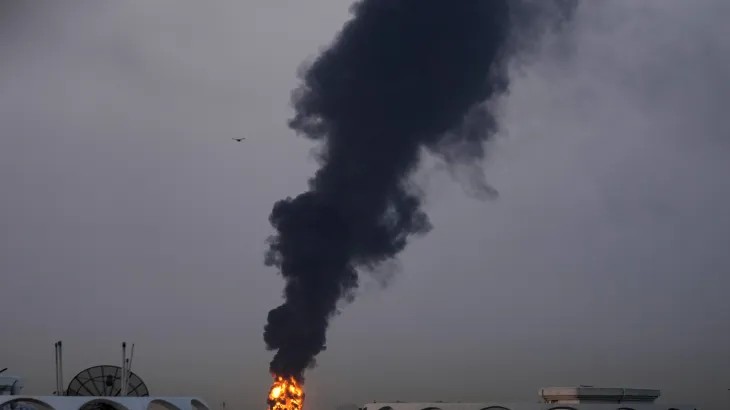
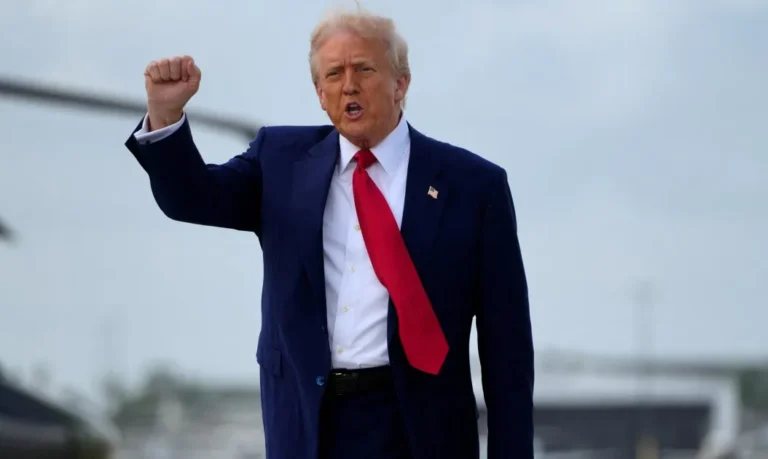
Tensions in the Middle East escalated further as U.S. President Donald Trump publicly criticized several Western allies for refusing to join a proposed multinational mission to secure the Strait of Hormuz, a critical waterway through which nearly one-fifth of the world’s oil passes. Trump said the mission is essential to ensure safe passage for commercial shipping, after Iran’s recent military actions disrupted navigation in the strategic strait.
Trump has repeatedly called on allied nations, including major European countries, to contribute warships and other naval support to reopen and protect the shipping lanes. He emphasized that the mission would prevent further escalation in global oil prices and maintain energy security worldwide. Despite his appeals, most countries have so far declined direct military involvement.
European leaders, including Germany, France, and the United Kingdom, have emphasized diplomacy and de-escalation over military action. Officials expressed concern that sending warships could entangle them in the ongoing conflict between the United States and Iran. Some countries have offered non-combat support, such as monitoring and logistical assistance, but have resisted participation in a full-scale naval operation.
The refusal of allies to commit to the mission prompted Trump to warn about potential consequences for international security alliances, including NATO. He suggested that a lack of support from key partners could strain alliance cohesion and complicate future joint efforts in the region.
Iran, meanwhile, has maintained its stance that the Strait of Hormuz remains open to all nations except those it considers hostile. Tehran has described its measures in the strait as defensive responses to ongoing U.S. military activities in the region. Iranian military officials have also warned that any attempt to forcefully secure the strait could provoke retaliation.
The standoff has already affected global energy markets. Oil prices have surged, reflecting fears of prolonged disruption in a region that handles nearly 20 percent of global oil trade. Analysts warn that continued instability could have ripple effects on international trade and economic stability, further raising the stakes for diplomatic and military decision-makers.
As the situation develops, world leaders face the challenge of balancing alliance commitments, energy security, and the risks of escalation. The Strait of Hormuz remains a flashpoint in the Iran conflict, highlighting the complexity of managing global security interests while avoiding a wider confrontation in one of the world’s most sensitive regions.
The coming days are expected to be critical, as both the United States and Iran monitor ally responses and prepare for possible further actions in the Gulf region.






+ There are no comments
Add yours