







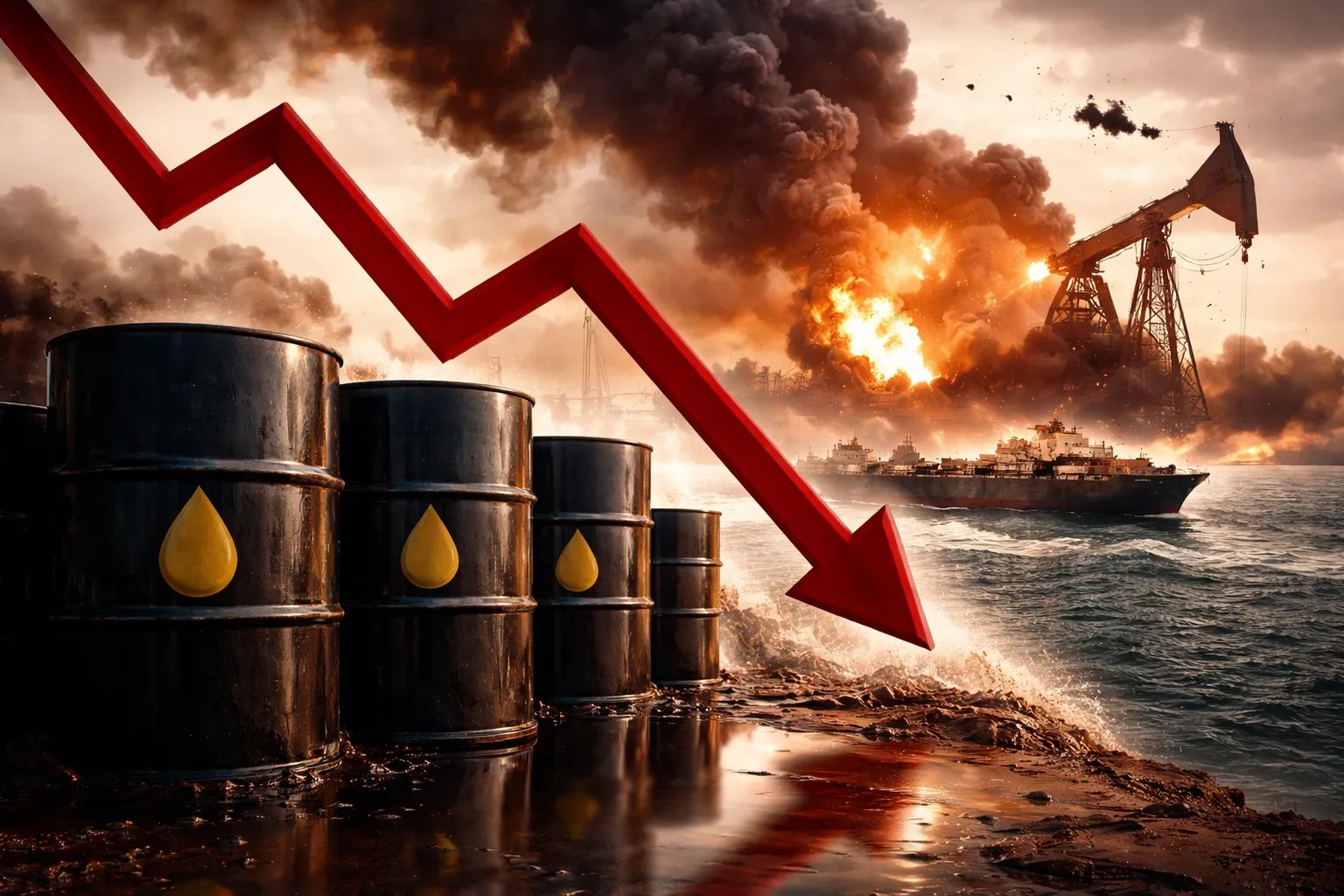
The global oil market is facing one of its most turbulent periods in recent years, as geopolitical tensions, supply disruptions, and shifting demand patterns drive prices upward and create uncertainty for consumers and industries worldwide. Analysts warn that the effects of the crisis could be felt across economies, affecting everything from transportation costs to energy bills.
Recent conflicts in major oil-producing regions have led to interruptions in supply, putting additional pressure on already strained markets. Countries that rely heavily on imported crude are witnessing sharp increases in fuel prices, which in turn are contributing to higher costs for goods and services. In many regions, transportation and shipping sectors are grappling with unprecedented price volatility.
In addition to supply challenges, global demand is rebounding faster than expected in several economies following the easing of pandemic-related restrictions. Increased industrial activity, coupled with a rise in travel and logistics, has amplified the pressure on oil reserves, further driving up market prices. According to industry reports, benchmark crude oil prices have surged past recent highs, causing concern among policymakers and financial experts alike.
Governments are responding with a mix of short-term and strategic measures. Some nations are releasing oil from strategic reserves to stabilize domestic markets, while others are exploring alternative energy sources and investing in renewable projects to reduce dependency on fossil fuels. Central banks are also monitoring inflationary effects stemming from higher energy costs, as rising oil prices directly contribute to overall consumer price increases.
Energy experts emphasize that the current crisis is a stark reminder of the volatility inherent in global oil markets and the geopolitical sensitivity of energy resources. Long-term solutions, they argue, require diversification of energy supplies, international cooperation, and investment in sustainable alternatives to mitigate the economic impact of future disruptions.
Consumers are already feeling the pinch, with higher fuel costs affecting commuting, logistics, and the price of essential goods. Analysts suggest that if tensions persist, countries may need to prepare for a prolonged period of elevated energy prices, which could influence everything from inflation rates to global trade balances.
Despite the challenges, some see the crisis as an opportunity to accelerate the transition to greener energy sources. Investments in solar, wind, and electric mobility are gaining momentum as nations look to reduce vulnerability to oil price shocks.
As global markets navigate this turbulent phase, the coming months will be critical in determining whether the oil crisis stabilizes or continues to ripple through economies worldwide, affecting businesses, governments, and consumers alike.







+ There are no comments
Add yours