







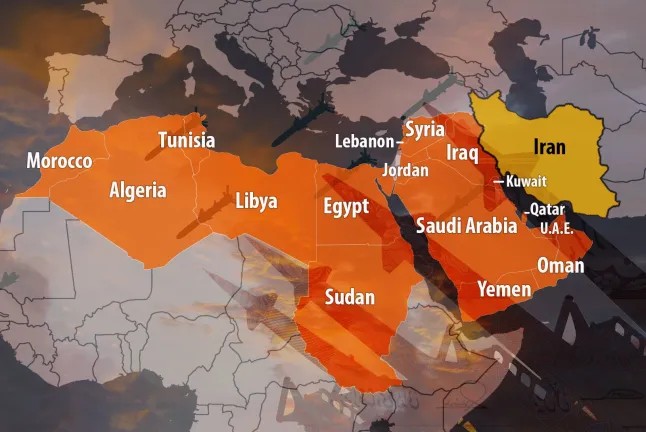
Governments around the world have issued urgent travel advisories as the ongoing conflict in the Middle East between the United States, Israel, and Iran continues to escalate. Citizens are being warned to avoid or reconsider travel to affected regions as rising tensions, military operations, and security risks create uncertainty across the region.
The Middle East remains the primary area of concern. Countries including Iran, Iraq, and Lebanon are now officially classified as do not travel zones, with officials citing the risk of violence spreading rapidly. Austria has issued a level four warning covering ten Middle Eastern nations including Iran, Iraq, Israel, Jordan, Kuwait, Qatar, Bahrain, Lebanon, Saudi Arabia, and the United Arab Emirates. Citizens are strongly advised against all travel to these regions until the situation stabilizes.
Even nations not directly involved in the fighting are under scrutiny. Gulf states such as the United Arab Emirates, Qatar, Bahrain, Saudi Arabia, and Kuwait have been placed on reconsider travel lists due to possible flight disruptions, airspace restrictions, and growing geopolitical tension. Travelers are urged to stay updated with embassy advisories, follow local news, and register with consulates before traveling.
European countries are also issuing cautionary guidance. The United States, United Kingdom, and other nations have advised citizens to exercise increased vigilance in parts of Europe including Italy, France, Germany, Spain, Belgium, Denmark, Sweden, the Netherlands, and the United Kingdom, where there may be heightened security threats related to global tensions.
Asian nations are closely monitoring the situation as well. India’s embassy in Qatar has advised citizens to remain indoors and follow local safety instructions, while Malaysia’s Wisma Putra recommended that nationals defer travel to the Middle East or evacuate if possible. These measures reflect the broad international concern over the potential for conflict to spread or impact civilians abroad.
The travel alerts are not merely precautionary. Airlines have already adjusted schedules, flight routes are being rerouted due to restricted airspace, and tourists face possible cancellations and delays. Experts advise travelers to plan carefully, keep emergency contacts handy, and avoid high-risk areas until authorities lift warnings.
As the Middle East conflict continues, officials around the world stress that personal safety must take priority. Travelers are urged to remain vigilant, follow official advisories, and postpone non-essential travel to affected regions. The escalating situation highlights how regional conflicts can ripple across the globe, affecting travel, trade, and international security.








+ There are no comments
Add yours