






As tensions rise across different regions, air travel worldwide has been thrown into turmoil, with thousands of flights canceled, rerouted, or delayed. The impact on the aviation industry has been swift and severe, disrupting the travel plans of millions of passengers. Airlines across the globe are scrambling to manage the situation, with limited options for those trying to navigate the rapidly changing landscape of air travel.
In recent days, airlines have been forced to cancel or divert flights, particularly to and from countries directly affected by the conflicts. Air traffic over certain regions has been restricted, forcing flights to take longer and more costly detours. The disruption has been most pronounced on international routes passing through or near conflict zones, with numerous flights grounded or rerouted to alternative airports. Passengers flying from Europe, the Middle East, and parts of Asia have been severely affected, with many reporting hours-long delays and the cancellation of their trips.
For airlines, the economic implications of the ongoing conflicts have been immediate. With fuel prices surging due to instability, carriers are facing a double blow: higher operating costs and the financial strain of rerouting flights. In many cases, airlines are absorbing these extra costs, while others are passing them on to customers in the form of higher ticket prices. Some industry experts have warned that airfares could rise even further if the situation continues to escalate, which may deter future travelers. Airlines are also grappling with the challenge of keeping their planes full while adapting to rapidly changing air traffic control regulations in response to shifting zones of instability.
The International Air Transport Association (IATA) has expressed concern over the long-term consequences these disruptions could have on the global aviation industry. With demand for air travel already recovering after the pandemic, this latest crisis threatens to delay or even reverse the progress made in the sector. While the industry remains hopeful for a quick resolution, many are bracing for a prolonged period of instability.
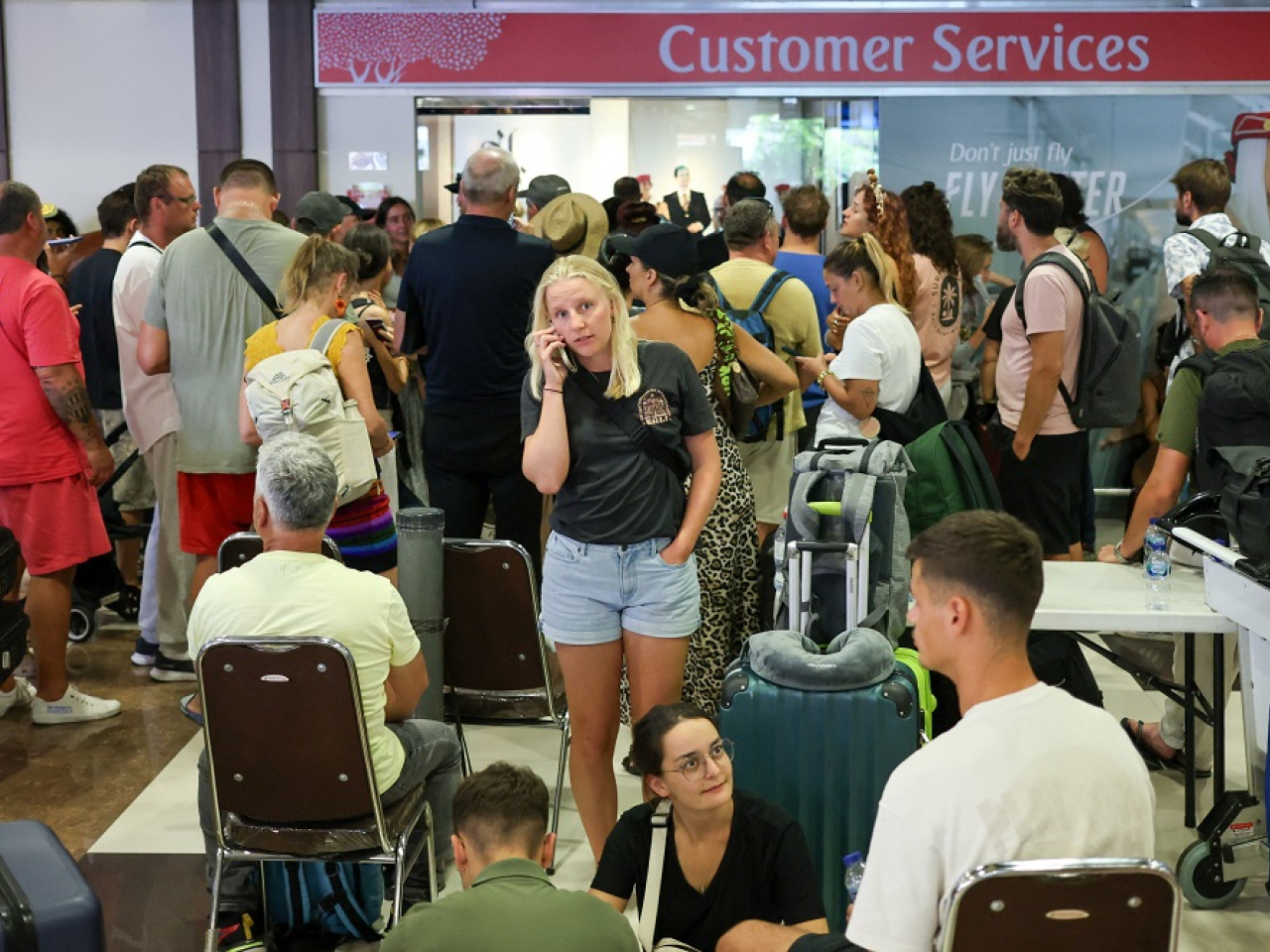
Passenger frustration has been mounting as well. With many customers left stranded in airports, airlines have been overwhelmed by the demand for rebooking and compensation. Although most carriers have been offering refunds, travel vouchers, and alternative flights, the sheer volume of affected passengers has led to significant delays in customer service. Some travelers have been left without clear guidance on how to proceed with their plans, as airlines work to process a deluge of requests.
As the situation unfolds, it remains unclear how long the disruptions will continue. Travelers are being advised to keep close tabs on airline updates and remain flexible with their travel plans. With the future of global air travel uncertain, it seems that passengers and airlines alike will have to adapt to a new era of unpredictability in air travel, where ongoing conflicts continue to dominate the skies.








+ There are no comments
Add yours