







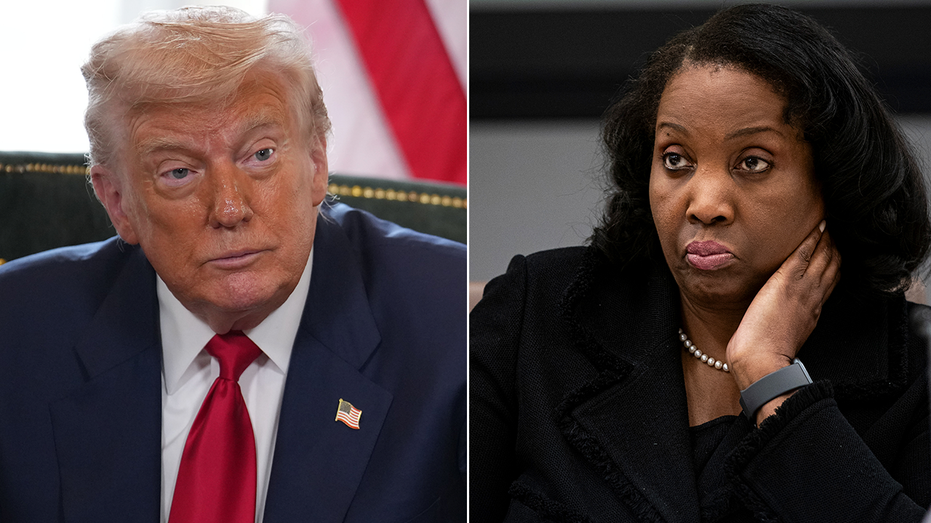
The United States Supreme Court is set to consider a case with far-reaching implications for the independence of the Federal Reserve, as it weighs former President Donald Trump’s attempt to remove a sitting member of the Fed’s Board of Governors. The case has sparked intense debate over the limits of presidential power and the long-standing principle that the central bank should operate free from direct political pressure.
At the heart of the dispute is Trump’s effort to dismiss a Federal Reserve governor before the end of her fixed term, a move that challenges decades of legal precedent protecting the central bank’s leadership from political interference. Federal Reserve governors are appointed for lengthy terms specifically to insulate monetary policy from short-term political considerations, allowing decisions on interest rates, inflation control, and financial stability to be guided by economic data rather than electoral cycles.
Supporters of Trump’s position argue that the president, as head of the executive branch, should have broader authority to remove officials who shape key aspects of economic policy. They contend that the Federal Reserve wields enormous influence over the economy and should therefore be more directly accountable to elected leadership. The case, they say, could clarify constitutional questions surrounding executive power and independent agencies.
Critics, however, warn that allowing a president to fire Fed governors at will would undermine market confidence and threaten the credibility of US monetary policy. Economists and former central bank officials have cautioned that even the perception of political control over the Fed could unsettle financial markets, weaken investor trust, and increase economic volatility. They argue that central bank independence has been a cornerstone of economic stability in the United States and other advanced economies for decades.
The Supreme Court’s decision to hear the case comes at a sensitive time for the US economy, as policymakers continue to grapple with inflation pressures, interest rate adjustments, and global economic uncertainty. A ruling in favor of expanded presidential authority could reshape the balance of power between the White House and independent institutions, extending beyond the Federal Reserve to other regulatory bodies.
As the justices prepare to consider the arguments, the case is being closely watched by lawmakers, investors, and central banks around the world. The outcome could redefine the boundaries between politics and economic governance, with consequences that may be felt long after the court delivers its verdict.










+ There are no comments
Add yours