






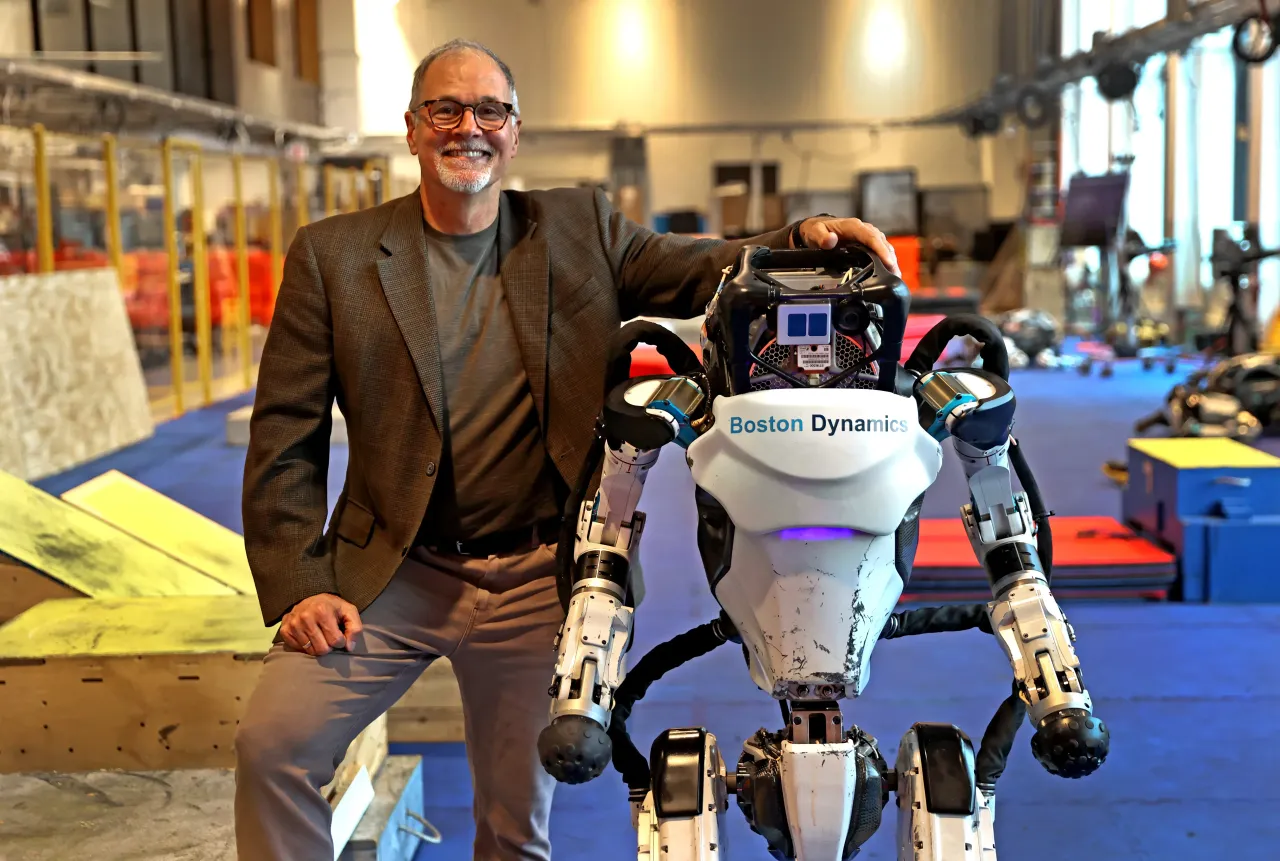
Hyundai Motor Group has announced plans to mass-produce humanoid robots for use in its factories, marking a major step toward the future of automated manufacturing. The move places Hyundai among the world’s leading companies investing heavily in robotics and artificial intelligence to reshape industrial production.
The announcement was made during a global technology showcase, where Hyundai revealed that it aims to begin producing up to 30,000 humanoid robots annually by 2028. Developed through its robotics subsidiary Boston Dynamics, the robots are designed to perform tasks traditionally handled by human workers, particularly physically demanding and repetitive jobs on factory floors.
Hyundai said the humanoid robots will initially be deployed in its manufacturing facilities to assist with material handling, parts movement, and assembly-line support. Over time, their roles are expected to expand as the technology becomes more advanced. The company emphasized that the robots are intended to work alongside humans, improving efficiency and safety rather than completely replacing workers.
Industry experts view the move as a significant milestone in the evolution of industrial automation. While robots have long been used in factories, humanoid robots capable of human-like movement and flexibility represent a new phase. Their design allows them to operate in environments built for humans, reducing the need for costly redesigns of factory layouts.
Hyundai’s investment reflects a broader shift within the global auto industry, where manufacturers are under pressure to cut costs, improve productivity, and adapt to rapid technological change. Rising labor costs and increasing competition have pushed companies to explore advanced automation solutions.
The announcement has also sparked debate about the future of jobs in manufacturing. While companies argue that robots will handle hazardous tasks and allow workers to focus on skilled roles, labor groups have called for careful planning to protect employment and ensure proper retraining.
As Hyundai moves forward with its robotics strategy, the decision signals how artificial intelligence and automation are no longer concepts of the future but realities shaping today’s industrial landscape. The success of this initiative could influence manufacturing practices across industries worldwide.








+ There are no comments
Add yours