







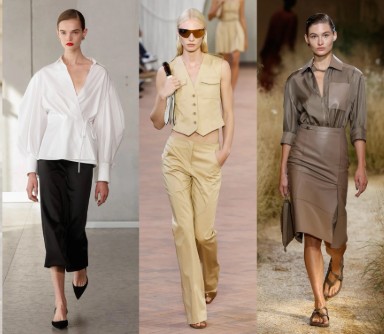
For much of the past decade, fashion was defined by restraint. Neutral palettes, discreet tailoring and logo-free silhouettes came to symbolise “quiet luxury,” a trend rooted in understatement and wealth without display. Now, across global fashion capitals, that aesthetic is steadily giving way to something more individual, expressive and emotionally driven: personal style.
Designers, stylists and consumers alike are moving away from uniform minimalism toward clothing that reflects identity rather than status. Runways in Paris, Milan and New York have showcased bolder colours, layered textures and eclectic references, while street style has become less about following a single look and more about mixing eras, moods and cultural influences.
Industry analysts say the shift is partly a reaction to economic uncertainty and global instability. In such times, fashion often turns inward, becoming a tool for self-expression rather than outward signalling. Shoppers are increasingly less interested in dressing for approval and more focused on how clothes make them feel. Comfort, nostalgia and individuality are taking precedence over trend conformity.
Social media has also played a key role in reshaping fashion values. While earlier platforms amplified aspirational, polished aesthetics, newer digital spaces reward authenticity and originality. Micro-communities built around vintage, DIY fashion, gender-fluid dressing and cultural heritage have flourished, challenging the dominance of a single luxury narrative.
Luxury brands are responding by loosening their visual codes. Collections that once relied on strict silhouettes and muted tones are experimenting with playful details, personalisation and storytelling. At the same time, second-hand and vintage markets are booming, driven by consumers seeking unique pieces with history rather than mass-produced perfection.
Fashion educators note that the idea of “good taste” itself is evolving. Where quiet luxury promoted invisibility and exclusivity, the new emphasis on personal style celebrates difference. Wearing something imperfect, sentimental or unconventional is no longer a fashion risk but a statement of confidence.
As the industry moves forward, the decline of quiet luxury does not signal the end of elegance, but a redefinition of it. In its place is a more human approach to dressing — one where individuality matters more than uniformity, and style is measured not by how little is shown, but by how honestly it reflects the wearer.




+ There are no comments
Add yours