







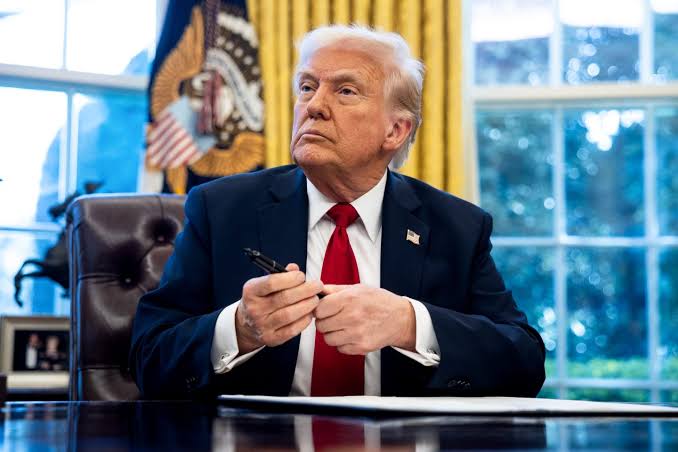
President Donald Trump’s latest round of tariff increases has once again placed global trade at the center of economic debate, raising questions about whether higher import taxes will slow U.S. economic growth or whether businesses and consumers have become better equipped to absorb the impact. While the new measures increase duties on a wide range of imported goods, many economists argue that the overall burden remains significantly below the levels that were expected before the Supreme Court’s February ruling, reducing the likelihood of a severe economic shock.
Tariffs are taxes imposed on imported products, making foreign goods more expensive for businesses and consumers. Governments often use them to protect domestic industries, encourage local manufacturing, or pressure trading partners during negotiations. However, tariffs can also increase production costs, disrupt supply chains, and contribute to higher consumer prices.
The latest tariff measures have prompted mixed reactions from financial markets and business leaders. Manufacturers that rely heavily on imported raw materials and components may face higher operating costs, while retailers could eventually pass some of those costs on to consumers through higher prices. Despite these concerns, many analysts believe the broader U.S. economy is in a stronger position than during previous trade disputes.
One key reason is that American businesses have spent the past several years adapting to changing trade policies. Many companies have diversified their supply chains, shifted production to alternative countries, or increased domestic sourcing to reduce dependence on imports from nations affected by tariffs. These adjustments have improved resilience and lessened the immediate economic impact of new trade restrictions.
Another factor supporting the economy is the continued strength of consumer spending. Household consumption remains one of the largest drivers of U.S. economic growth, supported by relatively steady employment and wage gains. As long as consumers continue to spend, economists believe the economy may be able to absorb moderate increases in import costs without falling into a significant slowdown.
Some industries could even benefit from the policy changes. Domestic steel, aluminum, and manufacturing firms may experience stronger demand if imported competitors become more expensive. Supporters of the tariffs argue that such measures encourage investment in American production, strengthen industrial capacity, and reduce reliance on foreign suppliers.
However, critics warn that the long-term effects remain uncertain. If tariffs continue to expand or remain in place for an extended period, businesses could face rising production expenses, reduced profit margins, and slower investment. Exporters may also encounter retaliatory tariffs from trading partners, limiting access to overseas markets and affecting sectors such as agriculture, technology, and manufacturing.
Inflation remains another area of concern. While recent price pressures have eased compared with previous years, additional tariffs could increase the cost of imported consumer goods, electronics, automobiles, and industrial equipment. Economists note that the ultimate impact on inflation will depend on how much of the added cost businesses choose to absorb versus passing on to consumers.
Financial markets have so far responded with cautious optimism rather than panic. Investors appear to believe that the scale of the latest tariff increases is manageable and that many companies have already prepared for similar policy changes. Market participants are also closely monitoring future decisions by the Federal Reserve, as interest rate policy will play an important role in determining how businesses and consumers respond to any additional economic pressures.
Ultimately, whether the economy shrugs off the latest tariffs will depend on several factors, including consumer confidence, corporate investment, global trade conditions, and the possibility of further policy changes. While the new tariffs introduce fresh uncertainty into international commerce, many economists believe the U.S. economy is entering this period from a position of greater resilience than during earlier rounds of trade tensions, making a sharp economic downturn less likely in the near term.









+ There are no comments
Add yours