







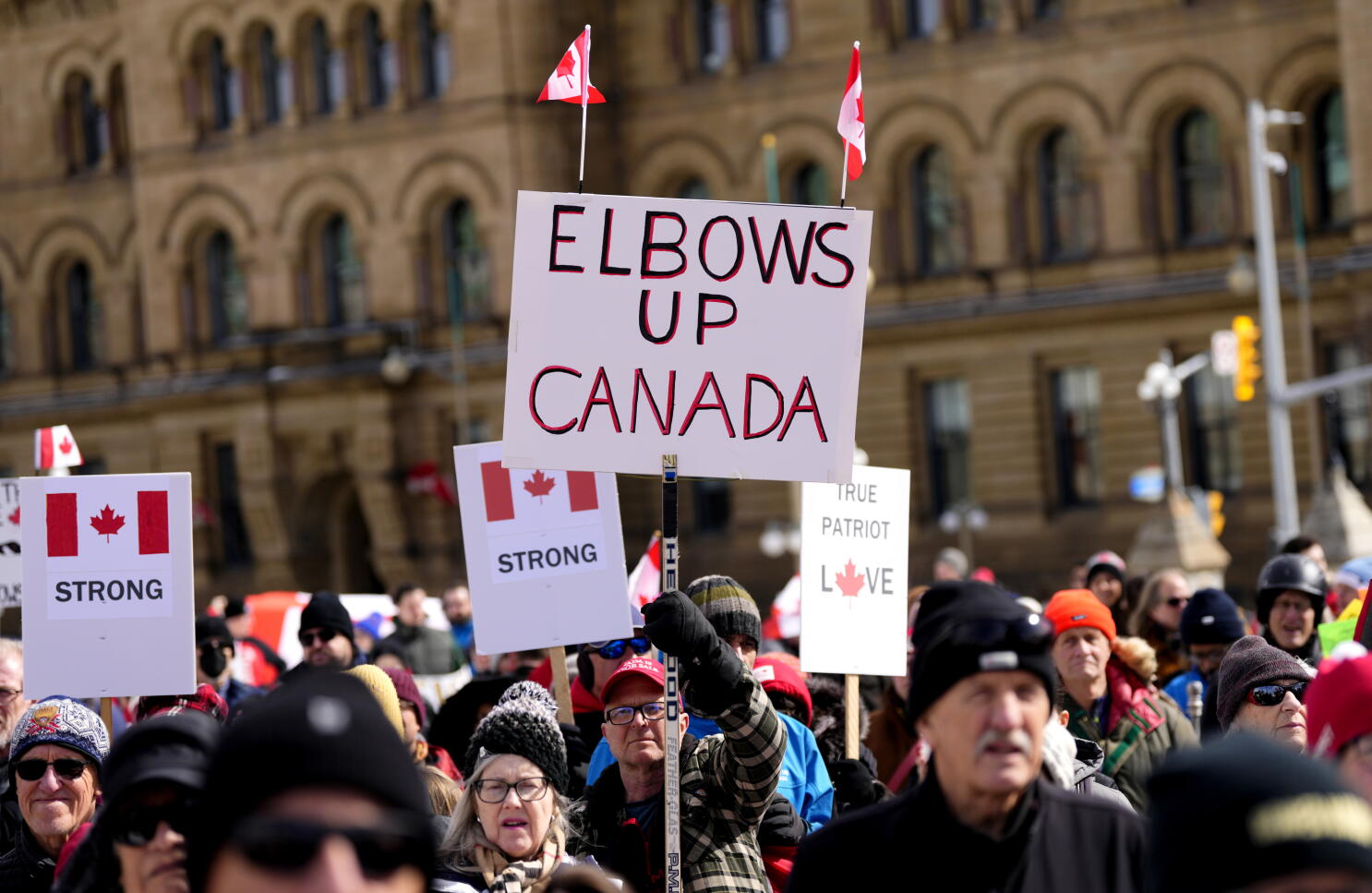
Canada is entering a new phase of its trade dispute with the United States as retaliatory tariffs on billions of dollars worth of American goods take effect, putting Prime Minister Mark Carney’s leadership under growing pressure to protect Canadian businesses while keeping the door open for a negotiated settlement.
The counter-tariffs, which came into force on Tuesday, cover almost C$28 billion ($20 billion) worth of US products. The measures include tariffs as high as 50% on a wide range of goods, including steel, furniture and cotton T-shirts. Fresh fish and lobster were initially included but were later removed following concerns from Canada’s seafood industry.
The decision highlights the difficult balance facing Carney’s government. Canada is attempting to respond firmly to US trade measures while avoiding unnecessary damage to Canadian companies and consumers that rely heavily on cross-border commerce.
Carney has continued to signal that his government wants a long-term agreement with Washington rather than an indefinite trade confrontation. Speaking to reporters last week, the prime minister said Canada was looking for a durable deal that would serve the interests of both countries.
“We’re ready to sit down and strike that deal when the Americans are ready,” Carney said.
For now, however, negotiations remain stalled. Talks between the two countries collapsed in late August, and there has been little indication that formal discussions will resume soon.
US Trade Representative Jamieson Greer has placed responsibility for restarting negotiations on Ottawa, saying the United States had presented Canada with what it considered its best offer. Greer also said communication between the two sides had been limited since the talks broke down.
The worsening dispute presents a major leadership challenge for Carney, who must navigate economic pressure, relations with Canada’s most important trading partner and demands from domestic industries affected by the conflict.
Canada and the United States have deeply connected economies, meaning prolonged tariffs could increase costs for businesses, disrupt supply chains and affect consumers on both sides of the border. Canadian industries that depend on American markets may also face additional pressure if the dispute continues.
The government’s decision to remove seafood from the tariff list demonstrates how quickly domestic economic concerns can influence Canada’s trade strategy. While retaliation is intended to put pressure on Washington, Ottawa must also consider the consequences for Canadian producers and workers.
Carney’s approach so far has combined a willingness to retaliate with an emphasis on negotiation. His government is signaling that Canada will defend its economic interests while remaining prepared to return to the negotiating table.
The coming weeks could therefore prove crucial for Canada’s political leadership. If the trade conflict continues without a breakthrough, Carney will face increasing pressure to demonstrate that his government’s strategy can shield Canada’s economy while maintaining a strong position in negotiations with Washington.
For now, the tariffs mark another escalation in a dispute that shows little sign of ending quickly, leaving both countries facing the economic and political costs of a prolonged trade war.








+ There are no comments
Add yours