







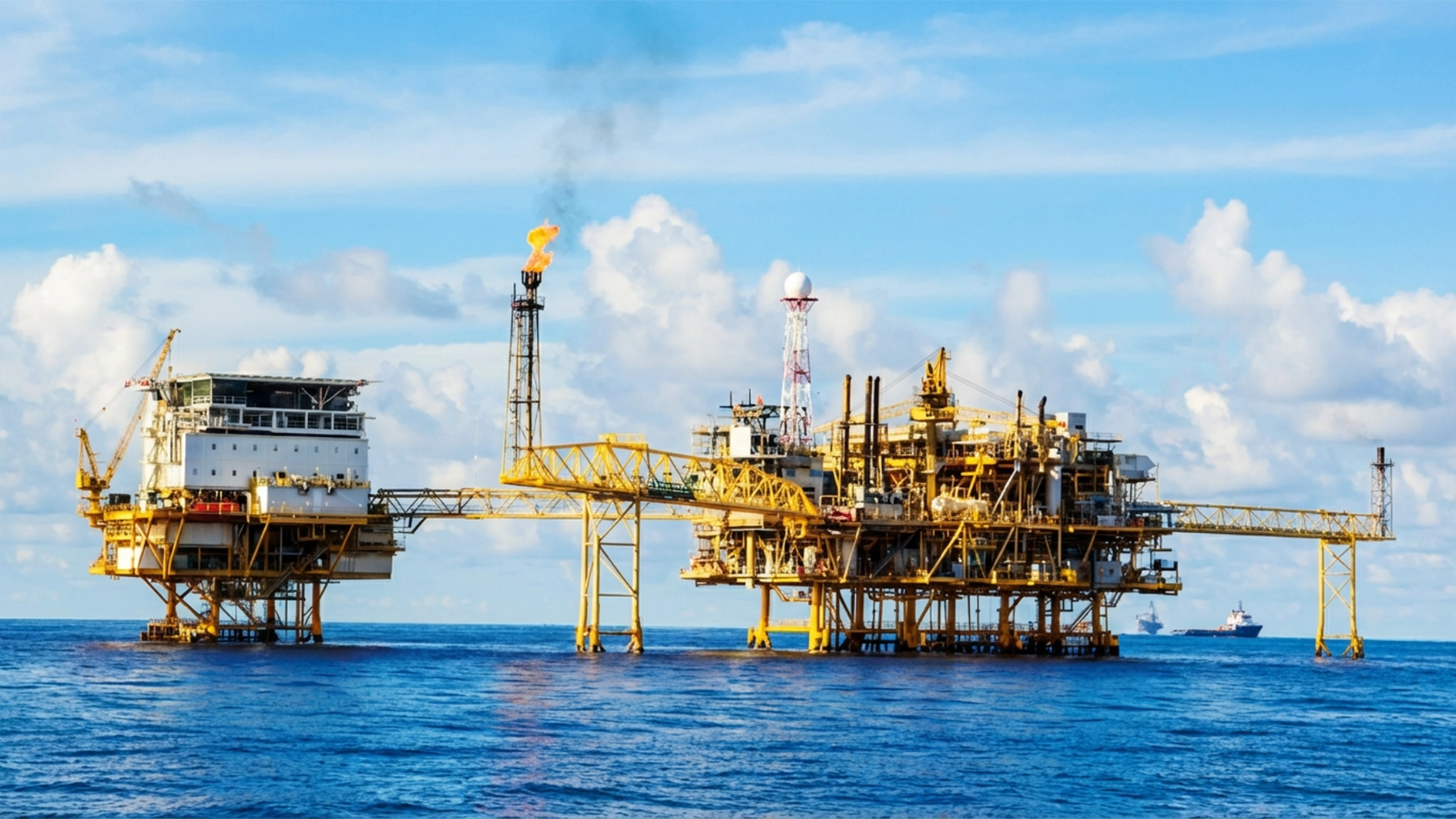
Asian share markets fell sharply on Monday as escalating tensions in the Gulf rattled investors, while oil prices climbed after Iran claimed it had closed the strategically vital Strait of Hormuz, raising fears of major disruptions to global energy supplies.
Stock markets across the region opened lower as investors reacted to the worsening security situation in the Middle East. Japan’s Nikkei, Hong Kong’s Hang Seng, South Korea’s Kospi, and several other major Asian indices recorded losses amid growing concerns that the conflict could trigger a wider regional crisis and weaken global economic growth.
The sharp increase in oil prices reflected fears that the closure of the Strait of Hormuz could significantly disrupt the movement of crude oil and liquefied natural gas. Nearly one-fifth of the world’s oil supply passes through the narrow waterway, making it one of the most critical maritime routes for global energy trade. Any prolonged interruption could tighten supplies, increase transportation costs, and fuel inflation worldwide.
Energy stocks gained on expectations of higher profits from rising crude prices, but gains in the sector were outweighed by broad-based selling across financial, technology, manufacturing, and travel shares. Airline companies faced particular pressure as higher fuel costs threatened to squeeze profit margins and reduce travel demand.
Market analysts said investors were shifting funds toward traditional safe-haven assets, including gold and the U.S. dollar, while reducing exposure to riskier investments such as equities. Bond markets also attracted increased demand as traders sought protection against heightened geopolitical uncertainty.
The latest developments have intensified concerns among governments and businesses already coping with fragile global supply chains and slowing economic activity. A sustained rise in energy prices could increase production costs, push consumer prices higher, and complicate efforts by central banks to manage inflation without harming economic growth.
Global attention is now focused on diplomatic efforts to prevent further escalation in the Gulf. Investors are closely monitoring statements from regional governments and major world powers for signs of negotiations that could ease tensions and restore confidence in financial markets.
Until there is greater clarity over the situation, analysts expect markets to remain volatile, with energy prices and geopolitical developments continuing to drive investor sentiment across global financial markets.








+ There are no comments
Add yours