





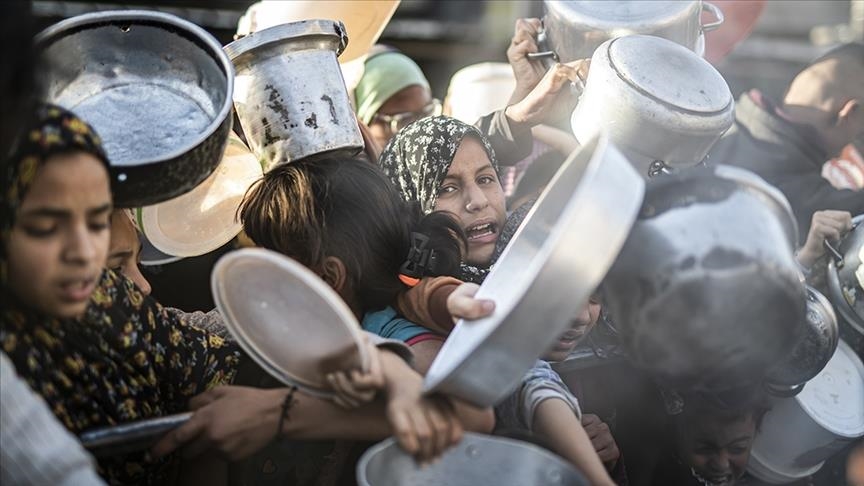
A disturbing new study has revealed that hunger is increasingly being used as a weapon of war, with more than 21,000 attacks targeting food systems recorded across 15 conflict-affected countries since 2018. The report highlights a growing global crisis in which food supplies, farmland, markets, and humanitarian aid networks are deliberately attacked during armed conflicts.
Researchers behind the study say the assaults have devastated civilian populations, worsening famine risks and leaving millions struggling to survive. The attacks reportedly include the destruction of crops, bombing of food warehouses, looting of livestock, blockades preventing aid deliveries, and strikes on markets and agricultural infrastructure.
Humanitarian experts warn that targeting food systems has become a strategic tactic in modern warfare. By disrupting access to food and aid, armed groups and military forces can weaken communities, force displacement, and exert control over populations. The study describes the trend as one of the most alarming humanitarian challenges of the decade.
Countries affected by prolonged conflict have seen severe consequences. In many regions, farmers have been unable to harvest crops due to violence, while aid organizations face mounting difficulties reaching vulnerable communities. The destruction of roads, ports, and storage facilities has further disrupted already fragile food supply chains.
International aid agencies say the crisis has pushed millions closer to starvation. Children and displaced families are among the hardest hit, with malnutrition rates rising sharply in several war-torn areas. Experts warn that food insecurity caused by conflict can continue long after fighting ends, damaging economies and social stability for generations.
The study also raises concerns over attacks on humanitarian workers and food distribution centers. Relief organizations have increasingly reported incidents where aid convoys were blocked, warehouses raided, or assistance deliberately delayed. Such actions, researchers argue, violate international humanitarian law designed to protect civilians during war.
Global organizations, including United Nations agencies and humanitarian groups, have repeatedly called for stronger accountability measures against those responsible for using starvation as a military strategy. Analysts say the international community must take urgent action to safeguard food systems in conflict zones and ensure humanitarian access.
The findings come at a time when global hunger levels are already rising due to climate change, economic instability, and ongoing geopolitical tensions. Researchers behind the report warn that without stronger international protections, attacks on food systems may become an increasingly common feature of modern warfare.
As conflicts continue across several regions, the report serves as a stark reminder that in many wars today, access to food has become as critical and as vulnerable as the battlefield itself.








+ There are no comments
Add yours