







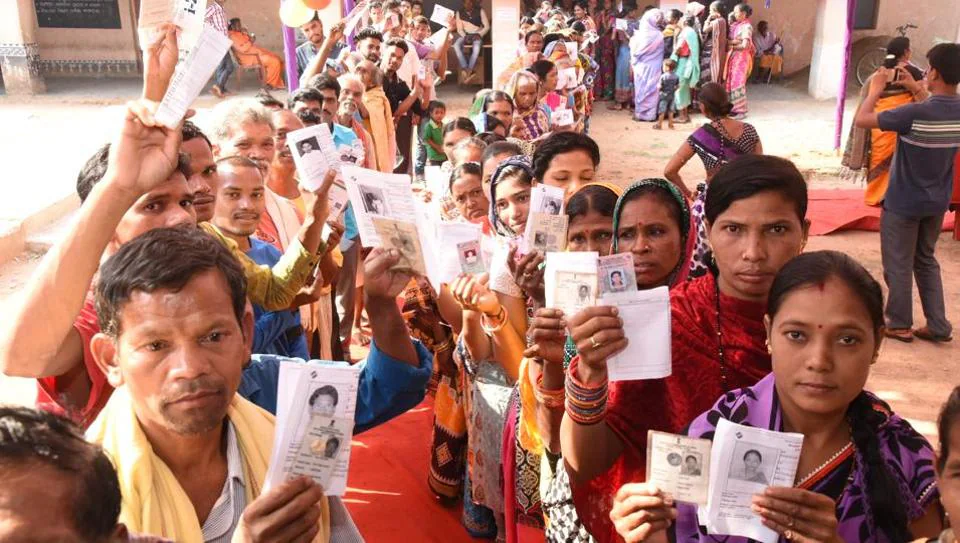
In India, elections are not just political events but a nationwide democratic festival that shapes the direction of the world’s largest democracy. With over a billion citizens eligible to vote, the electoral process reflects the hopes, demands, and expectations of an incredibly diverse population.
The most recent general election for the Lok Sabha reaffirmed India’s multi-party democratic structure. The results saw the ruling coalition, led by the Bharatiya Janata Party (BJP), securing the largest share of seats, enabling it to form the government once again at the national level. Prime Minister Narendra Modi returned for another term, supported by alliance partners within the National Democratic Alliance (NDA).
At the same time, the opposition coalition, led by the Indian National Congress and other regional parties under the INDIA bloc, gained a stronger presence in Parliament compared to previous elections, marking a notable shift in the political balance. While not enough to form the government, the opposition’s performance indicated a more competitive and closely contested political landscape.
What makes this verdict significant is not just who won, but how closely fought the contest has become in many regions. Voter turnout remained high, and issues such as unemployment, inflation, rural development, and economic growth played a major role in shaping public opinion.
India’s elections continue to be a reflection of its democratic strength where power is not permanent, and public mandate remains the ultimate authority. The peaceful transfer and continuation of governance, despite intense competition, reinforces global confidence in India’s political stability.
Beyond numbers and seats, the election outcome represents a broader narrative: a democracy evolving through debate, diversity, and constant public engagement. It highlights that in India, victory is not just about winning power, but about earning trust across an incredibly complex and dynamic society.








+ There are no comments
Add yours