







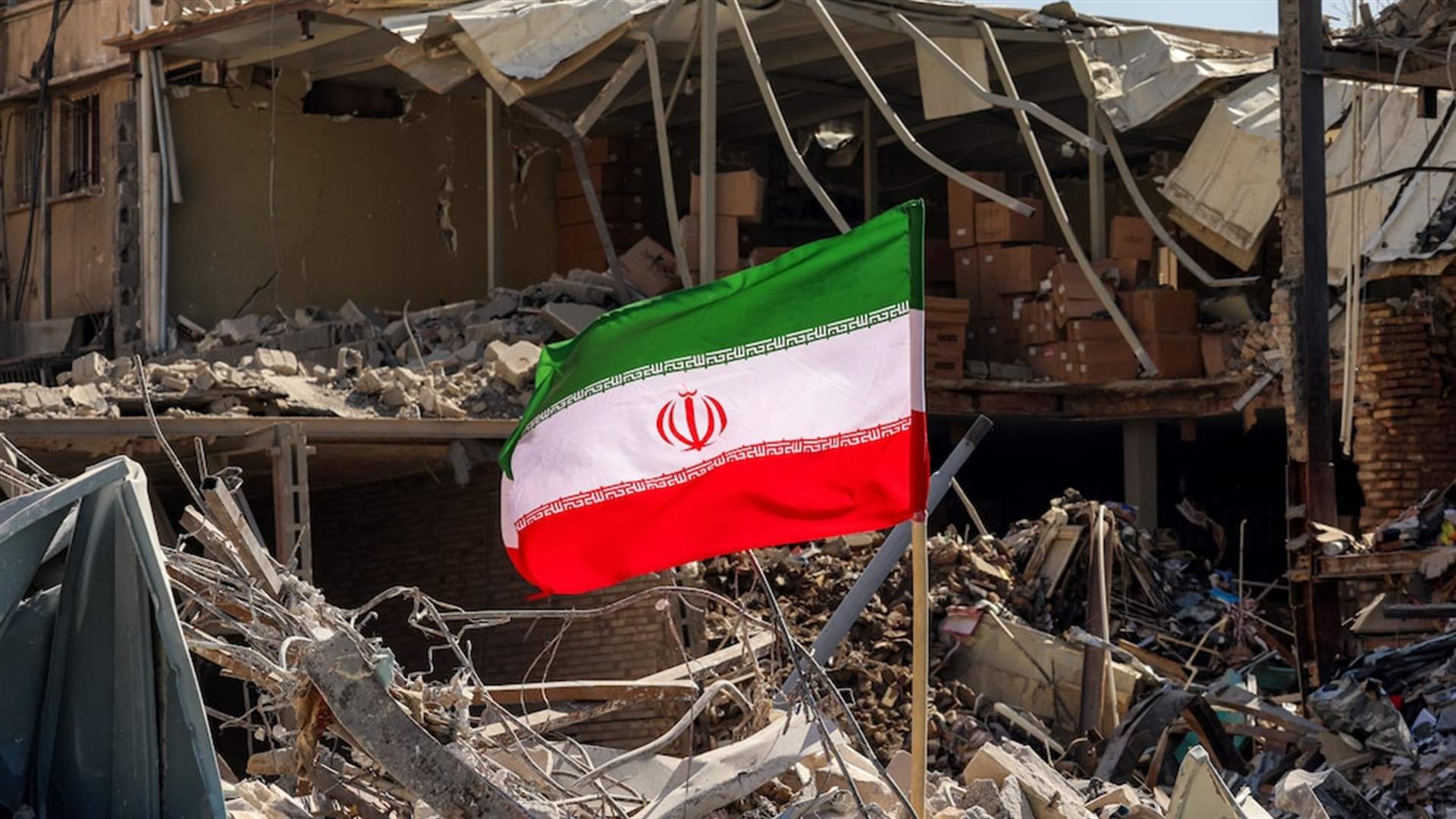
The Foreign Minister of Iran, Hossein Amir-Abdollahian, has strongly condemned recent airstrikes by Israel on Iranian fuel depots, describing the attacks as an act of “ecocide.” The statement came after Israeli strikes reportedly targeted key fuel storage facilities near Kharg Island, an important oil export terminal in the Persian Gulf. Iranian officials said the attacks caused major fires and significant damage to energy infrastructure, raising concerns about environmental pollution and the risk of a larger regional crisis.
According to Iranian authorities, the strikes hit fuel storage tanks used for oil exports, resulting in thick smoke and flames that were visible for miles. Emergency crews were deployed to control the fires and prevent the spread of oil contamination into surrounding waters. Government sources claimed that the attack posed a serious threat to the fragile marine ecosystem of the Persian Gulf. In response, Iran accused Israel of deliberately targeting economic and environmental resources in an attempt to weaken the country’s energy sector.
Speaking at a press briefing in Tehran, Foreign Minister Hossein Amir-Abdollahian said that attacking fuel facilities and oil depots could have catastrophic environmental consequences. He argued that such actions could lead to large-scale pollution, endanger marine life, and disrupt the livelihoods of communities dependent on the Gulf’s natural resources. He called on the international community to condemn the attack and take immediate steps to prevent further escalation.
The incident has added to already rising tensions between Iran and Israel, which have been involved in a long-running rivalry marked by covert operations, cyberattacks, and occasional military confrontations. Analysts believe that attacks on oil infrastructure could significantly increase geopolitical tensions across the Middle East. Any damage to major export facilities in Iran could also affect global energy markets, as the country remains one of the world’s key oil producers.
There are also growing concerns about the security of shipping routes in the nearby Strait of Hormuz, one of the most important oil transit corridors in the world. A large portion of global oil supplies passes through this narrow waterway each day. If tensions continue to rise, shipping and energy supplies could face disruptions, potentially leading to higher oil prices worldwide.
Meanwhile, diplomatic discussions are reportedly taking place at the United Nations, where several countries have urged restraint from both sides. International leaders have warned that further military actions could deepen instability in the region and increase the risk of a broader conflict. As the situation develops, the world is closely watching whether diplomatic efforts will succeed in preventing further escalation.







+ There are no comments
Add yours