







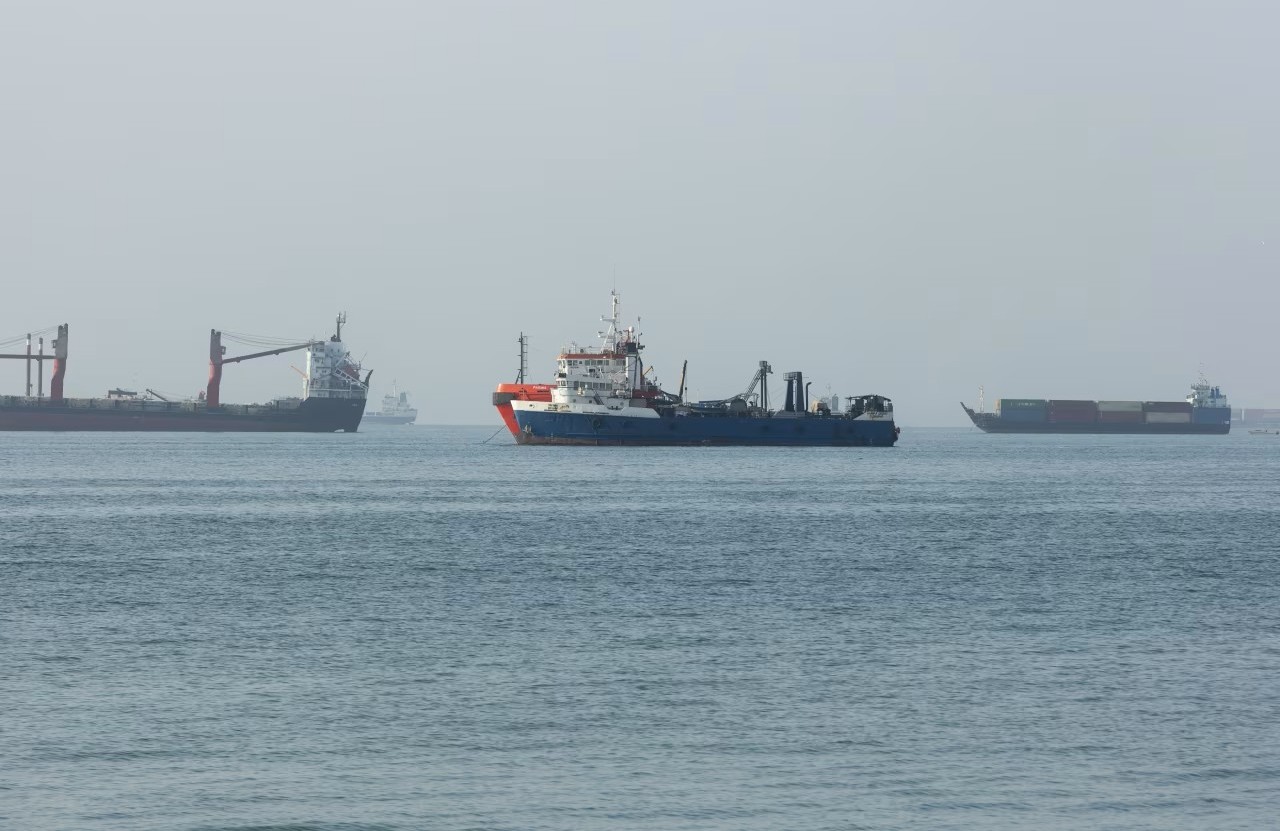
The United States carried out airstrikes on targets in Iran’s Sirik region and Qeshm Island for a second consecutive day, marking a significant escalation in tensions between Washington and Tehran following renewed hostilities in and around the Strait of Hormuz.
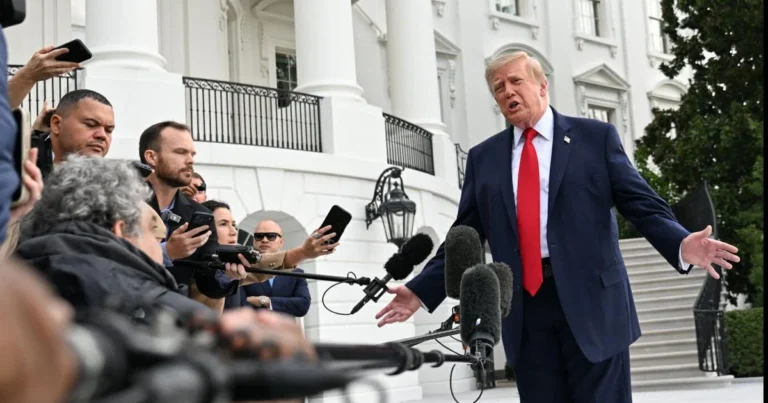
The latest military action came after U.S. President Donald Trump accused Iran of violating a recently signed memorandum of understanding (MoU), alleging that Iranian forces attacked commercial vessels transiting the strategically vital Strait of Hormuz. According to U.S. officials, the strikes were intended to target military infrastructure linked to Iran’s surveillance, drone, and coastal defense capabilities.
President Trump warned that the United States was prepared to continue military operations if Iran did not halt actions that Washington considers threats to international shipping and regional stability. He described the alleged attacks on commercial vessels as a serious breach of the agreement reached earlier this month to reduce hostilities and ensure the safe passage of maritime traffic.
The Strait of Hormuz remains one of the world’s most important energy corridors, with a substantial share of global oil exports passing through the narrow waterway each day. Any disruption to shipping in the region has the potential to affect global energy markets and international trade.
The strikes on Sirik and Qeshm Island represent the second consecutive day of U.S. military operations against Iranian targets. U.S. military officials stated that the attacks were aimed at degrading capabilities used to threaten commercial shipping rather than targeting civilian infrastructure.
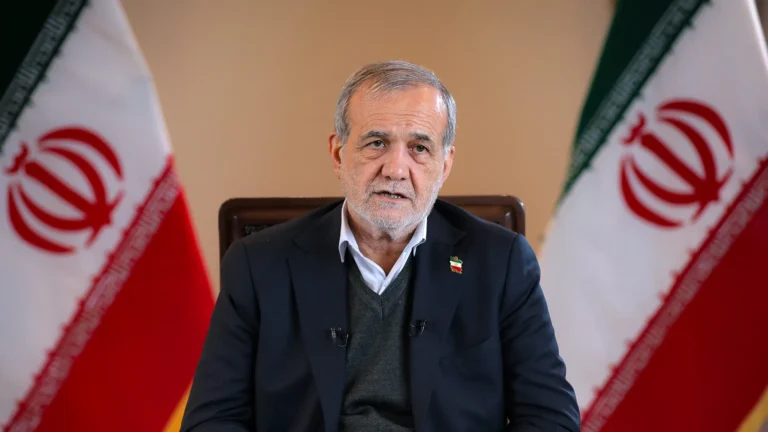
At the time of reporting, Iranian authorities had not issued an official response regarding the latest U.S. strikes or President Trump’s accusations. However, regional observers continue to monitor developments closely amid concerns that the exchange of military actions could further undermine the fragile understanding reached between the two countries.
The renewed confrontation has heightened fears of broader instability across the Persian Gulf, prompting increased attention from governments and international shipping companies operating in the region. Analysts warn that continued escalation could pose additional risks to maritime security and global energy supplies.
Diplomatic efforts to preserve the recent memorandum of understanding now face a significant challenge as both sides exchange accusations over alleged violations. The coming days are expected to be critical in determining whether tensions can be contained or whether the conflict will widen further.
International leaders have called for restraint and urged all parties to pursue dialogue to prevent further escalation in one of the world’s most strategically important regions.






+ There are no comments
Add yours