






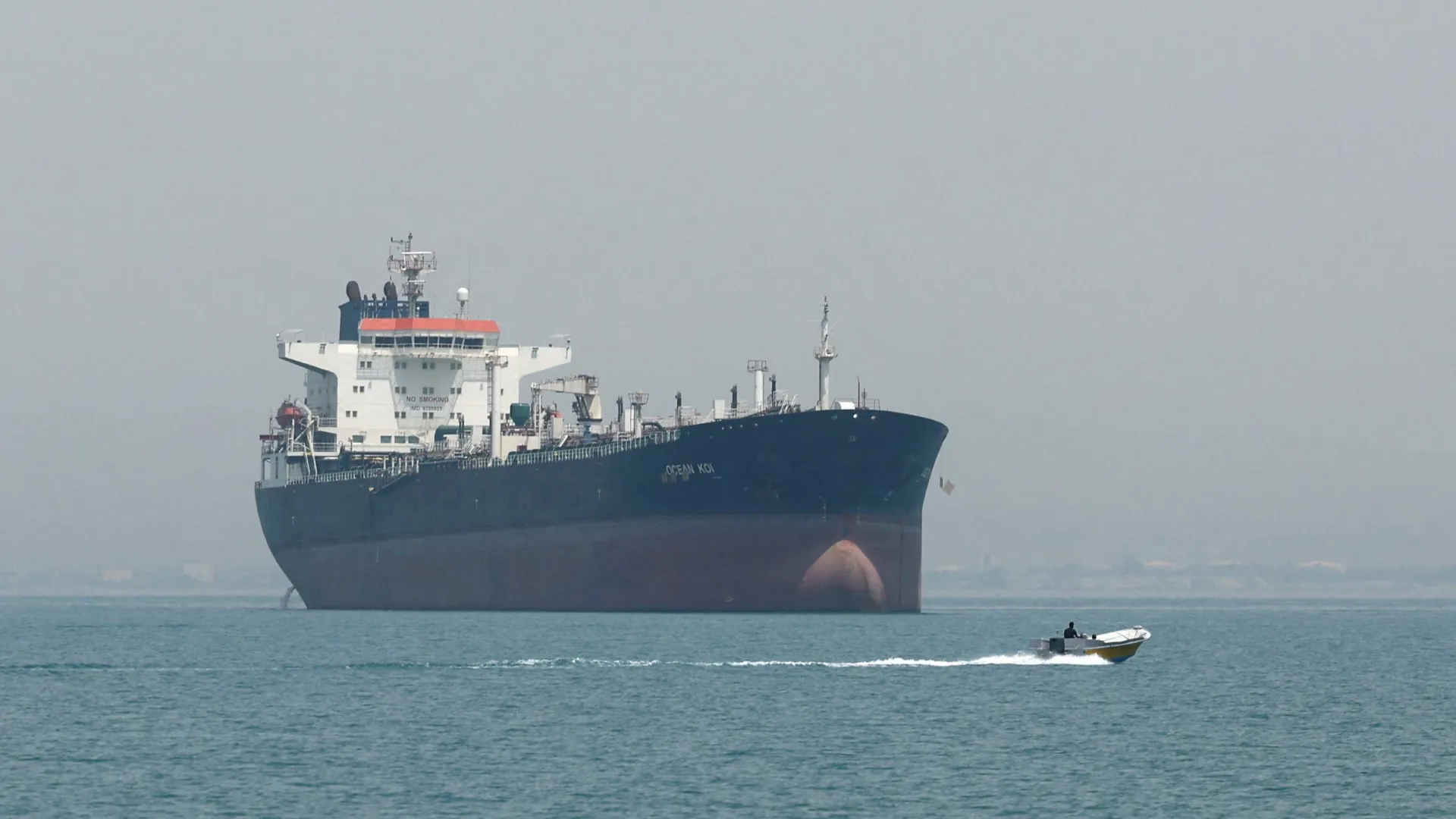
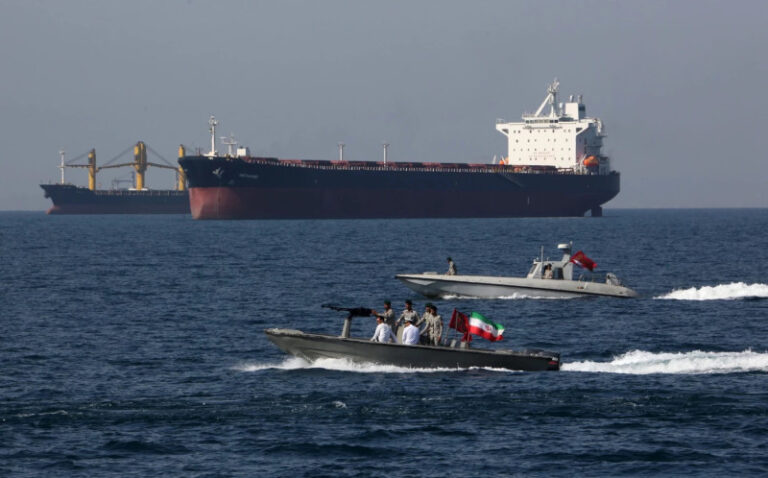
Global oil prices fell sharply on Monday after the United States and Iran announced a peace framework agreement aimed at de-escalating tensions and reopening the Strait of Hormuz, one of the world’s most critical energy shipping routes.
The agreement has eased fears of supply disruptions in the Middle East, where nearly one-fifth of global oil shipments pass through the narrow waterway connecting the Persian Gulf to international markets. Concerns over potential blockades and military escalation had recently pushed crude prices higher, adding a significant “risk premium” to global energy markets.
Following the announcement, oil benchmarks declined as traders reacted to expectations of improved supply stability. Market sentiment shifted quickly, with investors pricing in the possibility that tanker traffic through the Strait of Hormuz could gradually return to normal levels if the agreement holds.
Analysts say the development removes one of the biggest geopolitical risks in the oil market, but caution that price movements will depend on how quickly the deal is implemented. While the announcement has boosted confidence, the situation remains fluid, and any setback in negotiations could lead to renewed volatility in energy prices.
Experts also note that even with easing tensions, oil prices are unlikely to fall dramatically in the short term. Structural supply constraints, global demand levels, and ongoing sanctions on Iran could continue to influence the market. The reopening of the Strait of Hormuz, if fully realized, is expected to take time and will require detailed security and monitoring arrangements.
Consumers and importing nations could benefit if lower prices persist, as cheaper crude typically leads to reduced fuel costs, lower transportation expenses, and easing inflationary pressure across economies. However, energy markets remain sensitive to political developments in the region.
Financial markets responded positively overall, with broader investor sentiment improving on hopes that the agreement could bring lasting stability to one of the world’s most strategically important regions.
For now, traders will closely watch diplomatic developments between Washington and Tehran, as the success or failure of the peace framework is likely to determine the next major direction in global oil prices.








+ There are no comments
Add yours